
Silky willow
Salix x sericans Tausch ex A. Kern.
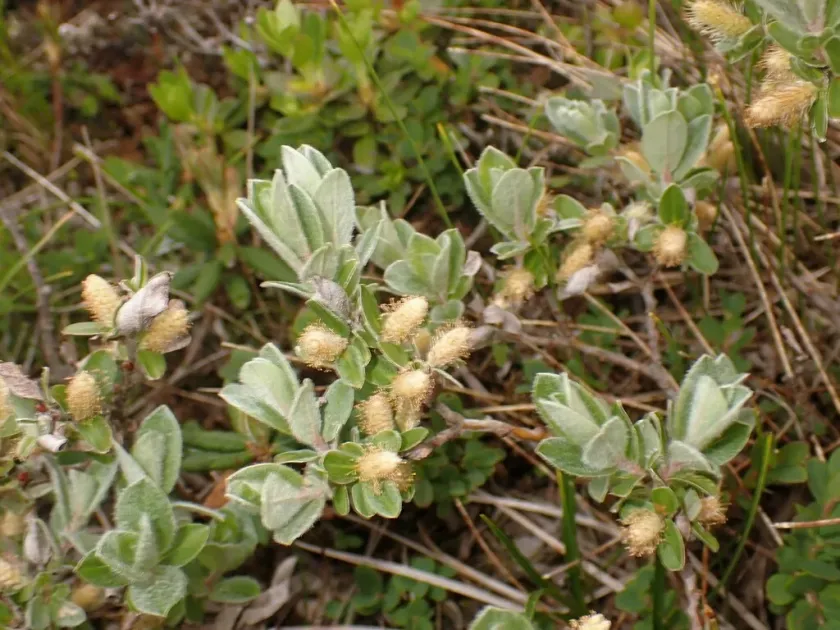
Description
Growing requirements
Silky willow (Salix x sericans) is a significant hybrid species belonging to the Salicaceae family. It is widely recognized for its rapid growth rate and high adaptability to various temperate environmental conditions.
The plant thrives in moist, fertile soils, particularly in alluvial plains or near water bodies where moisture levels remain consistent. It demonstrates excellent tolerance to periodic waterlogging, which is a key trait for wetland-related agriculture.
In terms of climate, it performs best in regions with mild summers and reliable rainfall. It is well-hardened against frost, allowing it to flourish in diverse geographic areas across the temperate zones.
Proper soil management is essential for successful willow cultivation. This includes deep plowing and adequate weed control during the establishment phase, ensuring the plants do not compete for nutrients or sunlight.
Consistent light exposure is necessary to produce high-quality rods. The plants should be spaced correctly to allow air circulation and maximize biomass accumulation throughout the growing season.
Yield
The primary economic use of silky willow is the production of high-quality willow rods for basketry and traditional wickerwork. Its flexibility and straight growth habit make it a preferred choice for professional weavers.
Beyond traditional use, this species is increasingly cultivated as an energy crop. Its biomass is harvested periodically to produce wood chips or pellets, which serve as renewable fuel sources for heating.
Yields are maximized through intensive farming practices, including scheduled fertilization and annual coppicing. This management cycle ensures the plants remain in a juvenile, high-productivity state for many years.
Silky willow also serves an ecological purpose by acting as a soil stabilizer. Its dense root system helps prevent erosion along riverbanks and slopes, providing environmental benefits alongside its agricultural output.
Harvesting is typically done during winter dormancy. This timing ensures the wood has reached the required maturity for processing, while also minimizing the impact on the plant's overall health and vitality.
Main diseases and pests
Leaf beetles represent the most significant pest threat to silky willow plantations. If left unchecked, these insects can cause extensive defoliation, severely reducing the annual biomass yield of the crops.
Fungal diseases, such as leaf rust, are common in humid conditions. These pathogens can weaken the willow branches and negatively impact the quality of the wood intended for commercial craft production.
Integrated pest management, including the use of resistant hybrids, is the most effective approach to control. Regular inspection and the removal of infected plant parts help maintain the overall health of the plantation.
In some regions, small mammals like voles may cause damage by gnawing on the bark of young willows. Protective physical barriers are often employed to secure the nursery stock against such damage.
Successful management relies on a combination of cultural practices. By maintaining good airflow within the rows and monitoring for early signs of disease, farmers can ensure the long-term productivity of their willow fields.