
White-monkey willow
Salix x leucopithecia Kimura
Description
Growing requirements
The white-monkey willow (Salix x leucopithecia) is a hybrid species within the Salicaceae family. It is primarily recognized as an ornamental treasure originating from East Asian botanical environments, particularly favored in Japanese gardening traditions.
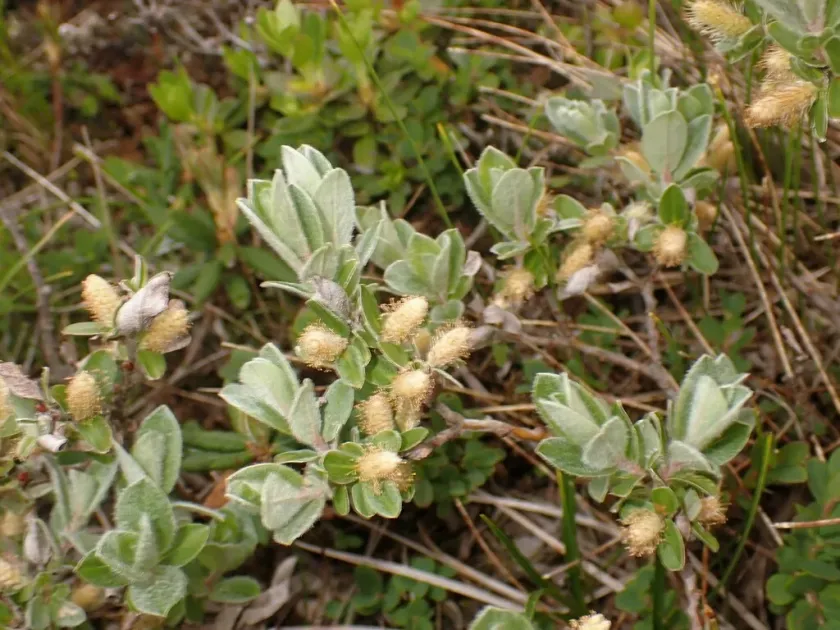
This shrub is highly valued for its unique botanical morphology, specifically the oversized, silky-white catkins that appear in early spring. These structures provide significant visual impact before the foliage fully develops.
Successful cultivation requires soil that remains consistently moist. The species thrives in loamy, well-draining substrates located near bodies of water or in areas where irrigation can be managed efficiently to avoid water stress.
The plant demands full sun exposure to reach its full decorative potential. Inadequate light conditions result in weak, elongated growth and a significant reduction in the quantity and quality of the catkins produced each season.
A sound agrotechnical approach involves annual rejuvenation pruning. By removing older, woody stems, the grower stimulates the production of vigorous new shoots, which are necessary for the plant's health and aesthetic appeal.
Main diseases and pests
Pathogenic threats include various fungal leaf spots and rusts. These pathogens are most prevalent during periods of prolonged humidity and poor air circulation, necessitating strategic spacing of plants in the nursery.
Pests such as willow aphids and leaf-eating beetles can cause significant damage to the canopy. Early detection and the application of integrated pest management strategies are essential to minimize the impact on plant vigor.
Harvesting
The main horticultural use of this willow is in landscape design and the cut-flower industry, where the catkins are prized for their unique texture and early seasonal appearance. It is an excellent choice for wetland restoration projects.
Harvesting for propagation or decorative use should be timed according to the dormant stage of the plant. Cuttings must be taken from healthy, disease-free stems to ensure successful establishment in the following growing season.