
Euerata Willow
Salix x euerata Kimura
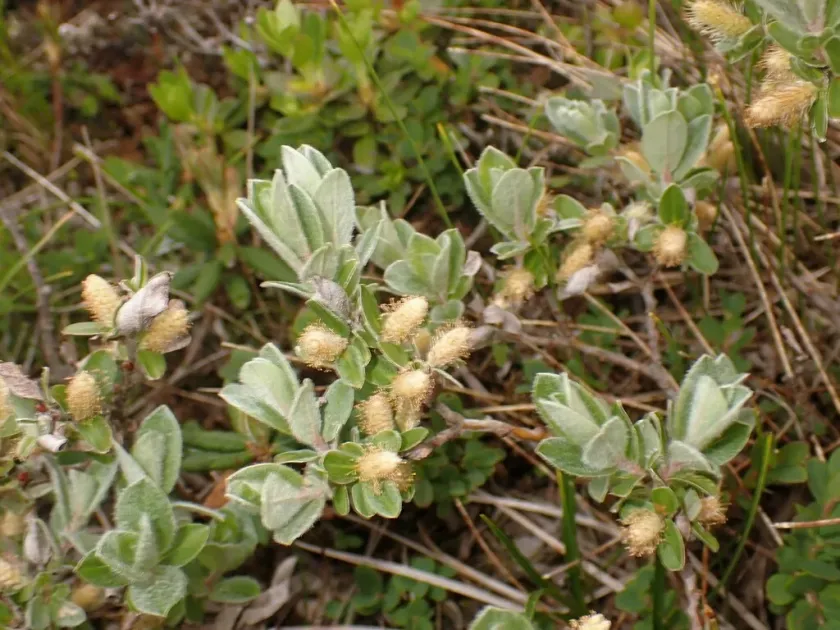
Description
Growing requirements
Euerata Willow (Salix × euerata) is a distinct hybrid belonging to the Salicaceae family. It is valued for its rapid growth and adaptability to moist environments, making it a staple in various landscaping and environmental restoration projects.
The plant requires full sun exposure to maintain its structural integrity and foliage density. While it can survive partial shade, its growth rate and overall health are significantly better in locations with unobstructed light.
It prefers deep, moist, and fertile soils. Because it is highly hygrophilous, the presence of groundwater or proximity to natural water bodies is ideal for long-term growth and biomass production.
Regarding climatic conditions, the Euerata Willow is quite hardy, demonstrating tolerance to cold winters. It performs best in regions with evenly distributed rainfall throughout the growing season, preventing summer droughts from stressing the plant.
Economically, this willow is used for windbreaks, erosion control near banks, and ornamental purposes. Its ability to propagate through cuttings makes it an efficient species for large-scale planting operations.
Main diseases and pests
Common pathological threats include various types of willow scab and blight. These fungal infections are more prevalent during damp, cool springs that favor spore dispersal.
Insect pests such as leaf beetles, aphids, and sawflies can cause substantial aesthetic and physiological damage if left unchecked, particularly on young or stressed specimens.
Integrated pest management strategies should focus on maintaining tree vigor through proper site selection and watering, as well as the immediate pruning of infected twigs.
Effective management includes cleaning up leaf debris in the autumn to reduce the overwintering population of fungi and pests that could re-infest the tree in the following season.
Strategic use of horticultural oils or targeted insecticides can be employed if monitoring indicates infestation levels that exceed the established economic or aesthetic thresholds.