
Dasyclados willow
Salix x dasyclados x Salix rehderiana
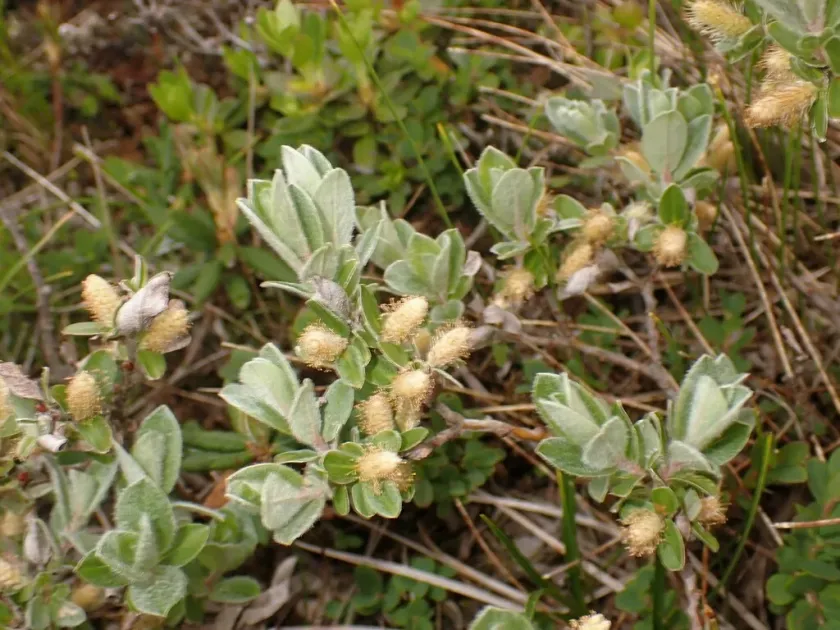
Description
Growing requirements
Dasyclados willow is a hybrid species belonging to the Salicaceae family. It is a fast-growing woody crop valued for its intensive biomass production, which makes it highly promising for the establishment of energy plantations.
The plant exhibits high ecological plasticity; however, it prefers well-moistened, loamy, or sandy-loam soils. It adapts successfully to temperate climate conditions and is capable of tolerating temporary waterlogging of the ground.
Optimal conditions for development include sufficient sunlight and protection from strong winds during the first years of growth. The willow has a powerful root system, allowing it to effectively anchor soil in eroded areas.
The crop is highly responsive to nitrogen fertilizers, which stimulate shoot formation. An important requirement is the control of soil acidity, as growth rates slow down significantly on highly acidic soils.
Under natural conditions, the hybrid demonstrates high frost resistance, allowing it to be cultivated in northern regions with severe winters. Propagation of the crop is mainly carried out through cuttings, which root quickly if moisture conditions are maintained.
Yield
The primary use of this willow is for biomass production for bioenergy purposes. With proper agronomy, plantations provide a high annual wood increment, ensuring stable yields on an industrial scale.
Biomass yield depends on planting density, which typically ranges from 15,000 to 20,000 saplings per hectare. Intensive management allows for wood harvesting every 2–3 years, maintaining the plantation life cycle for up to 20–25 years.
In addition to energy production, the long and flexible shoots of the Dasyclados willow are traditionally used in basketry. They possess excellent physical and mechanical properties, high strength, and resistance to deformation.
The productivity of the stands directly depends on water availability during the growing season. In dry years, the installation of irrigation systems is recommended to maintain yield targets.
The economic value also includes the use of this crop in phytoremediation, where the willow acts as a biological purifier of soil from heavy metals and excess salts.
Main diseases and pests
The main pests of willow are leaf beetles, which can cause significant damage to the leaf blade during the period of active growth. Regular monitoring of the stand allows for the timely detection of infestation sites and the application of biological control agents.
Fungal diseases, such as rust and various types of leaf spots, pose a serious threat to energy plantations. They develop mainly under conditions of high humidity and poor air circulation within the rows.
To prevent the spread of infections, it is necessary to adhere to planting schemes that ensure high-quality aeration. It is also recommended to use disease-resistant hybrid clones.
During winter, young plantations can be damaged by rodents, which requires the installation of protective fencing or the application of repellents. Timely weed control in the first year of planting is a critical factor for willow health.
Agronomic management of the plantation also includes preventive fungicide treatments if weather conditions favor the mass development of pathogens on young shoots.
Harvesting
Biomass harvesting is carried out by specialized harvesters that cut and chip the shoots in a single pass. The work is performed during the winter period when the plants are dormant and the soil is sufficiently frozen for machinery to operate.