
Salix dasyclados
Salix x dasyclados Wimm.
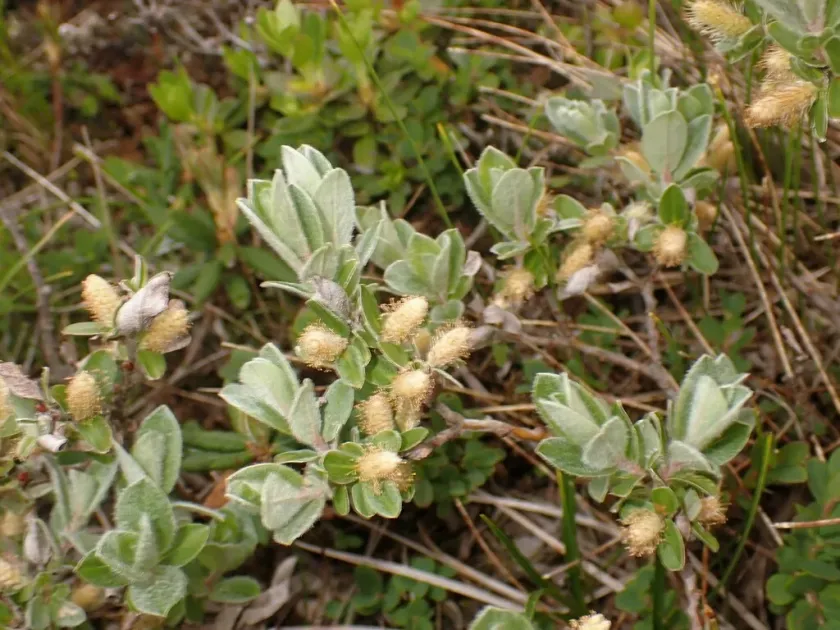
Description
Sowing dates
Salix dasyclados is typically propagated using hardwood cuttings about 20 to 25 centimeters in length. The optimal time for planting is early spring, immediately after the soil thaws and reaches a temperature of 5 to 7 degrees Celsius.
Cuttings are inserted into well-moistened soil, with one or two buds left above the surface to ensure proper shoot development. For biomass production, the density usually ranges from 15,000 to 20,000 plants per hectare.
Using one-year-old shoots for propagation ensures a high survival rate, often exceeding 90 percent when standard agricultural practices are followed.
During the first months of growth, adequate moisture is crucial for successful root formation, especially in regions experiencing dry springs.
Mechanical planting methods are standard for large commercial plantations, as they optimize labor costs and ensure uniform distribution of the plants across the field.
Growing requirements
Salix dasyclados, belonging to the Salicaceae family, is a fast-growing shrub or small tree capable of reaching heights of 3 to 5 meters. It exhibits high ecological plasticity and adaptability to diverse site conditions.
The crop prefers moist, fertile, loamy soils with a neutral or slightly acidic pH. It is highly tolerant of temporary waterlogging, making it ideal for floodplains and low-lying agricultural areas.
For successful biomass growth, the plant requires full sunlight, as excessive shading can significantly reduce yield quality. It also demonstrates strong frost resistance, common in species native to temperate climates.
Weed control during the first two years is vital for developing a robust crop. Mechanical cultivation or targeted herbicide application ensures the willow dominates the space and reaches its growth potential.
Application of fertilizers, particularly nitrogen, is essential for maximizing growth rates. Commercial plantations typically use soil testing to determine precise nutrient requirements based on the desired biomass output.
Yield
The primary economic uses of Salix dasyclados include biomass production for renewable energy and the supply of high-quality material for traditional basketry and weaving.
Under intensive management, dry biomass yields can reach 10 to 15 tonnes per hectare annually. Harvesting for bioenergy is typically performed during the winter dormancy period.
Shoots for weaving are harvested in late autumn or early spring, with quality being measured by flexibility, lack of side branches, and bark smoothness.
The plant possesses a high capacity for coppicing, allowing for the harvest of the same plantation for 15 to 20 years without the need for replanting.
Beyond energy, the biomass is utilized in pulp and paper industries and as a sustainable solution for riverbank stabilization and erosion control.
Main diseases and pests
Common pests include leaf-feeding beetles, such as various willow leaf beetles, which can cause significant damage to foliage and inhibit annual growth rates.
Rust fungi are a prevalent issue, manifesting as spots on leaves, which can lead to premature defoliation and a decrease in overall photosynthetic productivity.
Maintaining good phytosanitary practices, such as removing old plant debris and ensuring proper spacing for airflow, helps minimize the risk of fungal infections.
In overly humid conditions with poor ventilation, there is a risk of stem rot, which can degrade wood quality and limit its structural suitability for weaving.
An integrated pest management strategy, including regular monitoring and the use of resistant varieties, is the most effective approach for protecting plantation health.
Harvesting
Harvesting for energy production is performed using specialized harvesters that cut and chip the stems in a single pass, streamlining the supply chain.
The optimal harvest window is between December and February, as this timing ensures the lowest moisture content in the wood, maximizing its heating value.
Shoots intended for basketry require manual or semi-automated harvesting to prevent damage to the stems and maintain the aesthetic quality of the raw material.
Post-harvest sorting based on length and diameter is a standard requirement for meeting the quality specifications of processing companies.
A well-executed harvest encourages vigorous regrowth in the following season, ensuring the longevity and productivity of the willow plantation over its entire lifespan.