
Basket willow
Salix viminalis x Salix x euerata
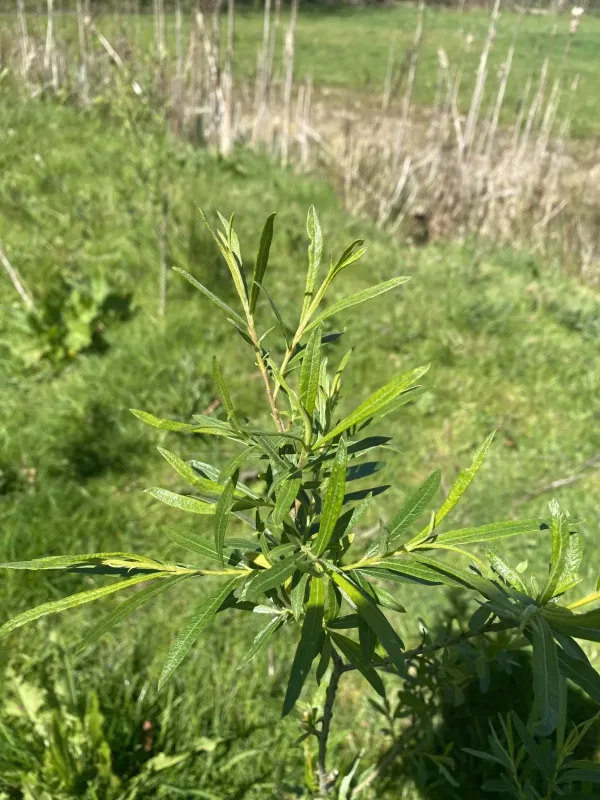
Description
Sowing dates
Basket willow is primarily propagated through vegetative means by planting hardwood cuttings approximately 20–25 cm in length. The optimal window for establishing a plantation is early spring, once the soil has warmed to at least 5–8 degrees Celsius.
Cuttings should be inserted into the soil so that only one bud remains above the surface, which encourages the development of a robust root system. Planting density varies based on the intended use: spacing is wider for basketry crafts, while high-density planting is used for biomass production.
Autumn planting is only advisable in regions with mild winters, as unrooted cuttings are susceptible to freezing. It is critical to use high-quality, disease-free planting material to ensure successful establishment.
Prior to planting, the soil must be deeply tilled and prepared, ensuring adequate moisture levels. Consistent soil moisture during the first few weeks after planting is essential for the survival of the cuttings.
Row planting simplifies mechanical maintenance and weed control, which is the primary challenge during the first year of growth. Effective weed management ensures that the young willow shoots are not outcompeted.
Growing requirements
Basket willow, a member of the Salicaceae family, is a moisture-loving plant that thrives in river floodplains and wetland areas. It prefers loamy and sandy-loam soils with a pH level ranging from 5.5 to 7.5.
The crop requires full sun exposure and should not be planted in shaded areas. An optimal water table level for intensive growth is between 0.5 and 1.5 meters from the soil surface.
Willow is well-adapted to various climates and demonstrates strong frost resistance. However, prolonged droughts during the growing season can significantly reduce biomass yields, sometimes necessitating irrigation.
For high-yield production, regular fertilization is necessary, focusing on nitrogen, phosphorus, and potassium. With proper management, a single plantation can be productive for 15 to 20 years.
The plant possesses high ecological plasticity, making it suitable for soil reclamation and the filtration of wastewater. Willow effectively sequesters heavy metals, contributing to the improvement of soil quality.
Yield
Productivity of basket willow for biomass can reach 10–15 tons of dry matter per hectare per year under intensive cultivation. Using specialized hybrid varieties allows for increased yields and better biomass quality.
For basketry purposes, yield is evaluated based on the number of high-quality, straight, and flexible rods. Modern breeding focuses on producing cultivars that are free of branches and have uniform thickness.
The first harvest for energy chips is usually collected two to three years after planting. Subsequent harvests are typically conducted on a 2–3 year rotation to allow the rootstock to regenerate.
The volume of the harvest is heavily dependent on planting density and the quality of the initial crop establishment. Pruning and regular care stimulate the growth of new vigorous shoots each season.
The economic viability of willow farming depends on logistics and the availability of specialized mechanical harvesters. Automated harvesting significantly reduces labor costs and increases the overall profitability of the plantation.
Main diseases and pests
Common diseases of basket willow include leaf and shoot rust, characterized by orange or black pustules. In highly humid conditions, various fungal infections can also attack the bark of young plants.
Major pests include the willow leaf beetle and various weevils, which can cause significant defoliation. Gall midges are also dangerous as they cause stem deformation, lowering the commercial value of the rods.
Preventative measures include crop rotation and the timely removal of infected plant material. Chemical treatments should be used sparingly and only when necessary to protect the local ecosystem.
Choosing resistant cultivars of Salix viminalis is the most effective way to minimize the impact of pests and diseases. Breeding programs continue to focus on enhancing natural immunity while maintaining fast growth rates.
Monitoring the plantation throughout the growing season allows for the early detection of issues. Maintaining a healthy root system is paramount to the long-term success and vigor of the willow plantation.
Harvesting
Harvesting for energy biomass occurs during winter when the sap is dormant and moisture content in the wood is minimal, ensuring higher energy efficiency. Cold weather also allows for easier machinery access to fields.
For basketry, the harvest takes place in autumn after the leaves have fallen. The rods are sorted by length and thickness, bundled, and then dried or processed according to market requirements.
Specialized harvesters are required to cut shoots as close to the ground as possible. A clean, smooth cut is essential to prevent infection and encourage vigorous regrowth from the stump.
Post-harvest, fields should be cleared of debris to prevent the buildup of pests. Some growers apply mulch to preserve soil structure and moisture after the harvest process.
Storage of biomass must be conducted in well-ventilated areas to prevent rotting and loss of calorific value. Proper storage management ensures the final product remains in optimal condition for energy production.