
Sakhalin willow
Salix udensis Trautv. & C. A. Mey.
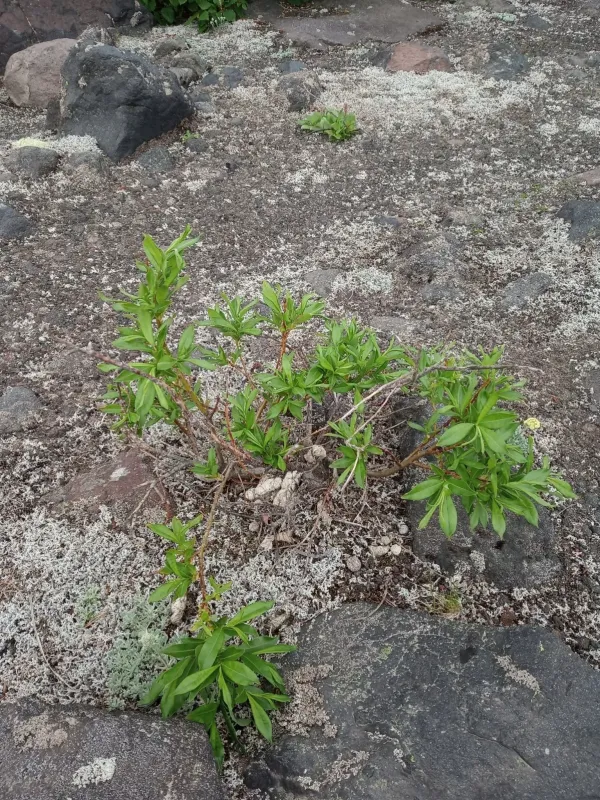
Description
Sowing dates
Propagation of Salix udensis is primarily achieved through vegetative methods, using either dormant hardwood cuttings or softwood cuttings during the growing season.
Cuttings should be planted in early spring just as the soil thaws, ensuring the ground is moist and rich in organic matter to support the initial root development.
When planting, it is critical to bury the cuttings deeply, leaving only 1–2 buds above the soil surface to encourage a robust and stable root system formation.
For commercial plantations, planting density varies depending on whether the primary goal is ornamental production or biomass for energy, requiring specialized machinery for consistent results.
While seed propagation is possible, it is rarely utilized in practical agriculture due to the extremely short lifespan of viable seeds and the specialized conditions required for germination.
Growing requirements
As a member of the Salicaceae family, the Sakhalin willow thrives in moist, well-lit environments and is naturally adapted to riparian habitats and areas with high water tables.
The plant requires full sun to maintain its structural integrity and, in the case of ornamental varieties, to express its characteristic spiraled or curved branch patterns.
While tolerant of various soil types, it prefers fertile, slightly acidic to neutral loams; it is notably tolerant of waterlogged conditions compared to most other shrub species.
Hardiness is one of its primary traits, as it originates from cold-temperate regions in East Asia, allowing it to withstand severe winter temperatures without significant damage.
Adequate moisture supply during the establishment phase is essential for rapid growth, and the addition of nitrogen-rich fertilizers can boost annual biomass production significantly.
Yield
The yield of Sakhalin willow is measured by the total volume of woody biomass produced, which is highly efficient for short-rotation coppice energy production systems.
In the craft sector, the quality of the annual shoots is paramount; managed coppicing produces long, slender, and highly flexible rods ideal for high-quality basketry and furniture.
Industrial plantations can achieve substantial yields of dry matter per hectare, provided the soil fertility and hydrological conditions are managed according to best practices.
The regrowth capacity after harvesting is impressive, as the rootstock quickly sends up new, vigorous shoots, often outperforming the growth rates of initial plantings.
Market demand for decorative willow varieties ensures additional income streams through the sale of live cuttings or dried branches for architectural and interior design projects.
Main diseases and pests
Fungal diseases, particularly willow scab and leaf rust, represent the most significant threats, especially in areas with persistent high humidity and poor air circulation.
Common insect pests include willow leaf beetles and various aphid species, which can cause significant defoliation and hinder the growth of young, tender shoots.
Integrated pest management, including regular sanitation and targeted use of fungicides or insecticides, is vital to maintaining the health and productivity of the plantation.
Maintaining adequate space between plants is a key cultural practice that improves airflow, thereby reducing the incidence and severity of fungal infections during the summer.
Crop rotation or the removal of heavily infected older specimens may be necessary in extreme cases to prevent the widespread collapse of the willow stand.
Harvesting
The timing of the harvest is crucial; for basketry purposes, rods are typically harvested in late autumn or early spring when the sap is dormant and the bark is most pliable.
For bioenergy and biomass production, harvesting takes place after the leaves have dropped in late autumn, allowing for mechanized gathering and processing of the woody stems.
Using sharp, well-maintained equipment for harvesting is essential to ensure clean cuts, which minimizes the risk of rot and promotes healthy regrowth in the following spring.
Post-harvest management involves organizing the bundles by size and quality, ensuring they are stored in a dry, ventilated area to prevent molding or premature degradation.
Consistent harvest cycles ensure that the plant maintains its optimal vigour; delaying harvest too long can lead to overly thick wood that is less desirable for high-end craft uses.