
Schwerin's willow
Salix schwerinii E. L. Wolf
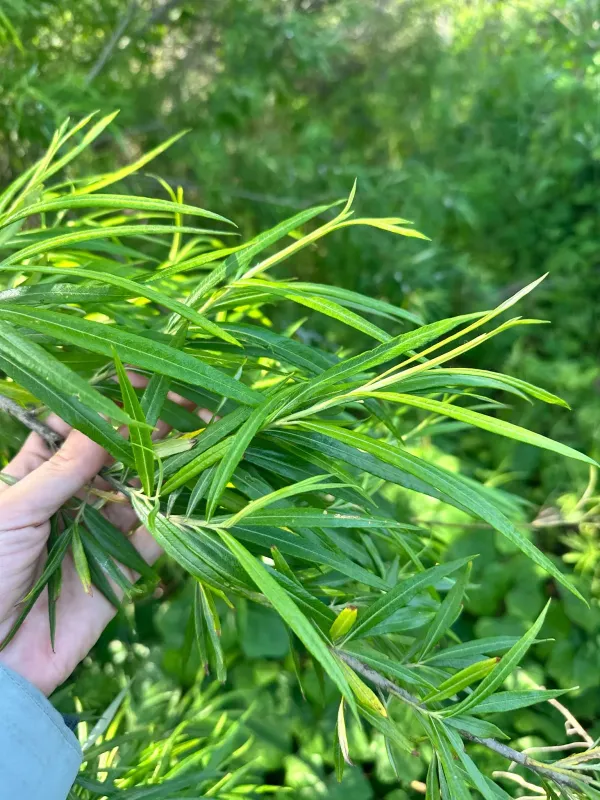
Description
Growing requirements
Schwerin's willow (Salix schwerinii) is a fast-growing woody plant belonging to the Salicaceae family. Native to East Asia, it has gained global recognition for its remarkable biomass production potential and resilience in northern climates.
This species thrives in moist, fertile soils and is frequently found in river basins and floodplains. Its ability to tolerate high soil moisture makes it an excellent candidate for planting in areas that are otherwise difficult to cultivate.
As a light-demanding culture, it requires open spaces with full sun exposure to reach its full growth potential. While it prefers moist conditions, it is important to avoid soils with stagnant, anaerobic water, which can damage the root system.
Agrotechnical practices involve planting dormant hardwood cuttings during early spring in well-prepared, weed-free soil. Spacing is determined by the intended end use, whether for energy biomass or high-quality weaving rods.
The versatility of Salix schwerinii allows it to be used not only for renewable energy through wood chips but also as a sustainable resource for basketry and bio-engineering projects aimed at preventing soil erosion.
Main diseases and pests
Fungal pathogens such as leaf rust and willow scab represent the primary phytosanitary risks, particularly in plantations with dense planting patterns that limit air circulation.
Willow leaf beetles and various species of sawflies are the most common pests that can cause significant defoliation if left unchecked during the peak growth months of summer.
Effective management strategies include the selection of resistant genotypes and maintaining proper distance between rows to ensure good ventilation, reducing the humidity around the leaves.
Integrated pest management, including the use of biological control agents, is preferred to maintain the ecological balance within the plantation area.
Monitoring for signs of bark damage caused by wildlife is essential, especially during the colder winter months when alternative food sources are scarce for mammals.
Harvesting
Harvesting for energy biomass is typically performed every 2 to 3 years using mechanized equipment during the dormant season, which ensures the highest heating value of the wood.
When cultivated for the handicraft industry, annual harvesting of flexible one-year-old shoots is required to maintain the desired physical characteristics of the rods.
The coppicing ability of this willow is exceptional, allowing the stool to regenerate vigorously after each harvest, ensuring many years of sustained yields without the need for replanting.
Post-harvest care, including careful removal of debris and potential fertilization based on soil analysis, promotes rapid recovery and biomass accumulation for the next cycle.
Proper stacking and drying of the harvest are crucial to prevent fungal growth, ensuring the quality of the wood remains high for its intended industrial application.