
Mountain willow
Salix monticola bebb
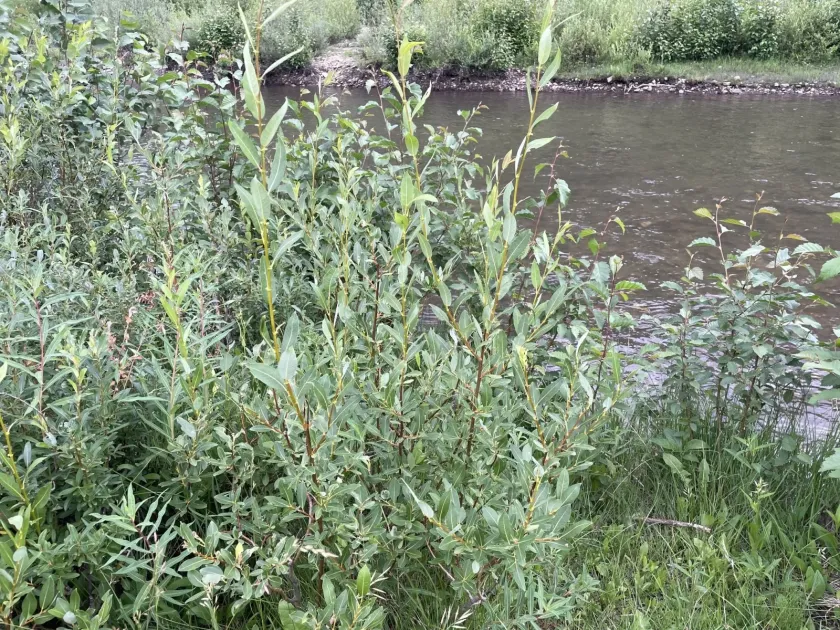
Description
Sowing dates
Propagation of the mountain willow (Salix monticola) is primarily achieved through cutting propagation. Dormant hardwood cuttings should be collected in late winter or early spring before the buds begin to swell.
Planting cuttings into well-prepared soil requires keeping the ground consistently moist to facilitate root development. It is essential to ensure that at least two buds remain above the soil surface.
Seed propagation is less common but viable if seeds are sown immediately after ripening. They require a lightweight, sandy-peat substrate and high humidity to successfully germinate within the first few days.
Nursery-grown saplings should be transplanted to their final location once they reach a height of approximately 40 centimeters. This size ensures the root system is robust enough to handle the transition to open soil.
Spacing during planting should be planned according to the desired density, keeping in mind that this species can grow into a broad shrub, requiring enough airflow to prevent moisture-related issues.
Growing requirements
The mountain willow belongs to the Salicaceae family and is native to mountainous regions, which dictates its preference for cool, moist environments. It thrives in locations with reliable soil moisture.
The plant performs best in fertile, loamy soils with a neutral pH. While it is adaptable to different soil types, it does not tolerate extreme droughts or prolonged periods of stagnant water in poorly drained areas.
Climate-wise, this species is exceptionally hardy. It appreciates high atmospheric humidity, which is common in its natural alpine habitat. Full sun is preferred, though it can tolerate partial afternoon shade.
Agrotechnical care includes annual spring pruning to maintain the plant's shape and encourage dense growth. Regular mulching with organic material helps maintain soil temperature and moisture levels.
Adequate water supply is the most important factor for success. During dry seasons, supplemental irrigation is necessary to prevent the leaves from drying out and to ensure continuous annual growth.
Main diseases and pests
Mountain willow is susceptible to fungal infections such as rust and powdery mildew, which can significantly damage its foliage. These issues are often exacerbated by poor air circulation and excessive humidity in stagnant air.
Pest management is essential, as the willow is a host for several insects, including willow leaf beetles and aphids. These pests can rapidly defoliate a plant if not controlled early in the season.
Cankers and bark diseases are also common in weakened plants. Ensuring proper plant spacing and avoiding physical damage to the bark are critical preventative measures for maintaining tree health.
Integrated pest management, including the use of systemic insecticides or biological controls, is recommended for serious infestations. Always consult local agricultural guidelines before applying chemical treatments.
- Sanitize pruning tools after every cut to prevent cross-contamination.
- Remove any diseased branches promptly to prevent fungal spores from spreading.
- Monitor for signs of pest damage during every spring growth flush.