
Miyabe Willow
Salix miyabeana x Salix viminalis
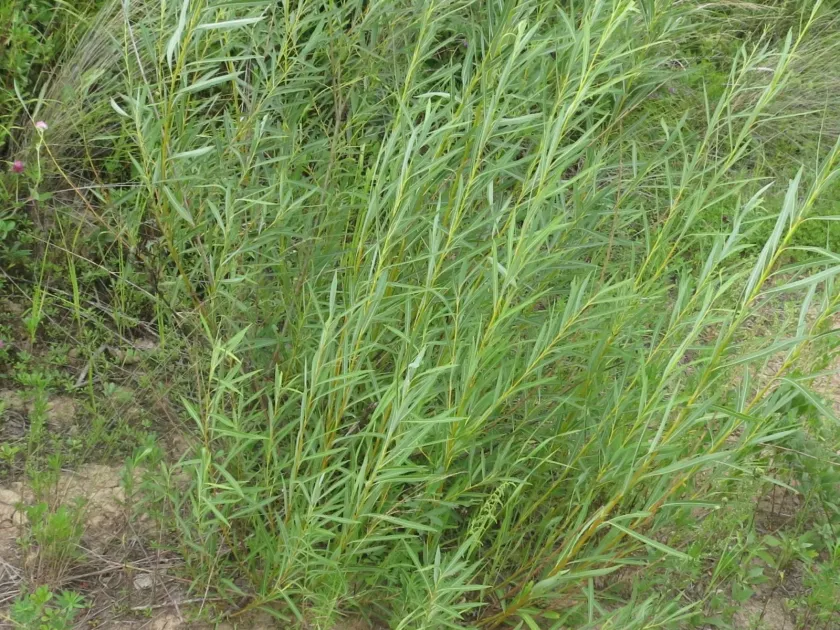
Description
Sowing dates
The establishment of Miyabe willow plantations typically begins in early spring as soon as the soil has thawed and is workable.
Cuttings, usually 20–25 cm in length, are planted directly into well-prepared soil, ensuring that only a small portion remains above the ground level.
The planting density is generally high, with around 15,000 to 20,000 cuttings per hectare, to maximize the initial stand density for high yields.
Proper soil preparation, including deep plowing and weed control, is essential during the pre-planting phase to ensure high survival rates.
Weed management is critical in the first growing season, as young willow shoots are susceptible to competition from fast-growing weeds and grasses.
Growing requirements
Miyabe willow belongs to the Salicaceae family and is recognized for its exceptional growth rate, making it an ideal short-rotation coppice crop.
The species thrives in moist, fertile soils, including heavy clays and loams that might be too wet for conventional agricultural crops.
It requires consistent water availability throughout the growing season to maintain high biomass production, especially during the first few years.
The plant demonstrates excellent hardiness against cold winter temperatures, allowing it to grow successfully in various temperate climate zones.
While tolerant of various soil types, the willow prefers neutral to slightly acidic pH levels to reach its full genetic yield potential.
Yield
The high productivity of Miyabe willow makes it a top choice for renewable energy projects, providing reliable annual biomass harvests.
Once the root system is established, the plant can regenerate from the stump after harvest, ensuring sustainable production for up to 25 years.
Average annual yields depend on soil quality and climate, but commercial plantations typically produce 10–20 dry tonnes of biomass per hectare.
The resulting wood chips serve as a carbon-neutral fuel source for heating systems, power plants, and the production of wood pellets.
Efficient management practices ensure that the energy output from the willow significantly outweighs the energy required for its cultivation and harvesting.
Main diseases and pests
Like other willow species, Miyabe willow can be affected by specific pests such as leaf beetles and willow weevils that feed on foliage.
Fungal diseases like rust can sometimes cause premature leaf drop, particularly in dense stands with poor air circulation or humid summers.
Integrated pest management, including the selection of resistant cultivars and monitoring, is recommended to mitigate these biological threats.
Maintaining a healthy, stress-free plantation through proper fertilization and soil moisture management helps plants naturally resist common diseases.
Crop rotation and keeping field boundaries clear of debris help reduce the overwintering sites for potential willow-specific pests.
Harvesting
Harvesting is performed during the dormant winter season when the wood moisture content is lower, improving the quality of the harvested material.
Mechanized harvesters are used to cut and chip the willow stems in a single pass, enabling efficient logistical handling of the feedstock.
The harvest cycle is typically scheduled every three years, allowing the stems to achieve the optimal diameter for fuel production.
The stump-based harvesting method preserves the root system, which allows the plant to sprout again immediately after the spring thaw.
Post-harvest logistics are designed to move the wood chips to storage or processing facilities as quickly as possible to maintain product quality.