
Salix chaenomeloides
Salix chaenomeloides Kimura
Description
Growing requirements
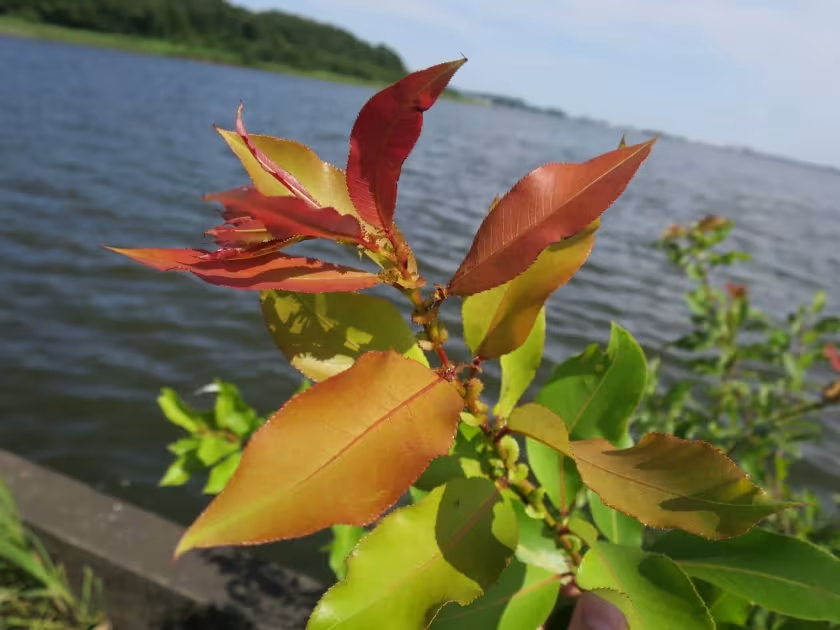
Salix chaenomeloides, belonging to the Salicaceae family, is a distinct willow species native to East Asia, primarily identified in Japan. It is recognized for its unique morphological features within the willow genus.
The species thrives in environments with high moisture levels and fertile, well-drained soils. Ideal agricultural sites include open spaces receiving full sunlight, which are essential for maintaining the vigor and health of the tree.
Climate requirements involve moderate temperatures and sufficient rainfall during the growing season, though the plant shows a degree of resilience to fluctuating hydrologic conditions typical of wetlands.
Standard agrotechnical practices for this species include consistent moisture management, annual pruning to encourage new growth, and the use of nutrient-rich organic composts applied during the early spring.
The economic and practical use of Salix chaenomeloides spans from landscape gardening and erosion control along water bodies to its function as a vital source of early spring nectar for local pollinators.
Main diseases and pests
The culture is susceptible to various pests, most notably willow leaf beetles and aphids, which can cause significant defoliation if left unchecked during the peak of the growing period.
Fungal pathogens such as rust and scab are prevalent in high-humidity conditions, especially when plantings are not sufficiently spaced to allow for proper air circulation throughout the foliage canopy.
Management strategies involve a combination of cultural practices, such as removing fallen leaves, and, when necessary, the application of targeted fungicides to prevent widespread infection.
Stem borers pose a serious threat to the longevity of the plant, requiring growers to monitor trunks for entry holes and signs of decay that could indicate internal wood damage.
Proactive maintenance of soil quality and weed management is essential to ensure the plant remains strong enough to naturally resist minor infestations and environmental stress factors.