
Buryat basket willow
Salix burjatica Nasarow x Salix viminalis L.
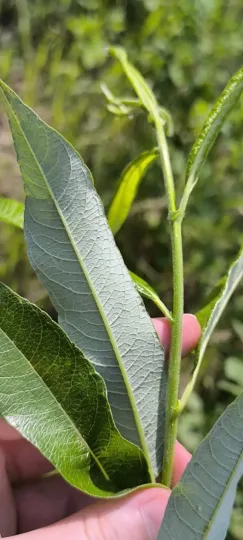
Description
Sowing dates
The planting of the Buryat basket willow (Salix burjatica x Salix viminalis) is primarily carried out using woody cuttings. The optimal time for establishing a plantation is early spring, immediately after the soil thaws but before the active sap flow and bud break begin.
Cuttings should be 20–25 centimeters in length, sourced from healthy, one-year-old shoots of mother plants. Each cutting is planted into well-prepared soil, leaving only one or two buds exposed above the surface to facilitate future growth.
Planting density depends on the intended use of the willow. For high-quality basketry rods, dense planting with row spacings of 60–70 centimeters is recommended, as this encourages the development of straight, thin, and flexible shoots.
Correct placement depth is essential to ensure the base of the cutting remains in contact with moist, lower soil layers. In areas prone to dryness, regular irrigation during the first year is critical for successful establishment.
Plantation survival rates can exceed 90% when using high-quality material and proper planting depth. Monitoring for gaps is necessary in the second year, allowing for the replanting of any unsuccessful spots.
Growing requirements
The Buryat basket willow belongs to the Salicaceae family and is recognized for its rapid growth rate and adaptability to various environmental conditions, making it an excellent candidate for agricultural production.
This species thrives in moist environments, particularly in floodplains or areas with high water tables. It performs best in nutrient-rich loamy or alluvial soils, though it remains productive in a wide range of soil types if moisture levels are maintained.
Willow is a light-demanding crop; therefore, plantations should be located in open, sunny areas. Shade can lead to poor shoot quality, characterized by reduced flexibility and strength, which decreases the value for commercial basketry.
The species is remarkably winter-hardy and capable of tolerating temporary spring frost. However, while it is robust, prolonged droughts during the growing season require supplemental irrigation to maintain the desired annual biomass increment.
Consistent yield depends on proper nutrition. Annual applications of nitrogen-based fertilizers are recommended to stimulate the vigorous development of new shoots during the spring and early summer growing cycle.
Yield
The economic value of the Buryat basket willow lies in its dual-use potential: providing high-quality raw material for artisan basketry and serving as a sustainable source of fast-growing biomass for bioenergy.
Commercial yields typically reach peak levels by the third or fourth year after establishment. With proper management and annual harvesting, a single plantation can remain highly productive for up to two decades.
For basketry, product quality is determined by the straightness, flexibility, and uniformity of the rods. Achieving this standard requires dense planting and meticulous control of the shoot development through proper site management.
As an energy crop, the willow is prized for its high caloric content and rapid regeneration ability. The biomass is typically harvested as wood chips, providing a reliable and renewable fuel source for local heating needs.
Market efficiency is increased by post-harvest processing, such as sorting rods by size or bundling, which optimizes the value chain for artisan producers or industrial bioenergy facilities.
Main diseases and pests
Willow plantations are susceptible to various pests, with leaf beetles being among the most common. These insects consume foliage, significantly reducing photosynthetic capacity and overall biomass accumulation.
Gall midges and willow weevils also present challenges by damaging plant tissues. Effective pest management requires regular scouting and the use of integrated pest management practices to prevent significant economic damage.
Fungal diseases, such as leaf rust and black spot, are common in plantations where high air humidity and poor air circulation prevail. These conditions are often exacerbated by planting density that is too high for the local climate.
Prophylactic measures include maintaining proper row spacing to allow airflow, regular removal of infected plant material, and ensuring the plantation remains free from competing weeds that could harbor pathogens.
Choosing disease-resistant clones is the most effective way to minimize losses. Implementing a strict sanitation protocol significantly enhances the health and longevity of the willow crop.
Harvesting
Harvesting for basketry purposes is strictly conducted during the winter dormancy period. Once the leaves have fallen and sap flow has stopped, the rods reach their maximum durability and resistance to decay.
Harvesting is performed by cutting the shoots as close to the ground as possible using mechanical mowers or manual shears. This low-cut method is essential for stimulating the growth of new, high-quality shoots in the following spring.
After harvest, the rods are sorted by length and diameter, then bundled. They are then subjected to drying or boiling processes, depending on whether the bark will be retained or removed before weaving.
For energy applications, the harvest process is fully mechanized, utilizing specialized harvesters that cut and chip the willow in a single pass, significantly reducing labor costs and increasing operational efficiency.
Post-harvest care involves cleaning the ground of woody debris to prevent potential disease outbreaks. This preparation ensures that the root system has an optimal environment to begin the new growing season.