
Burjatica willow
Salix burjatica Nasarow
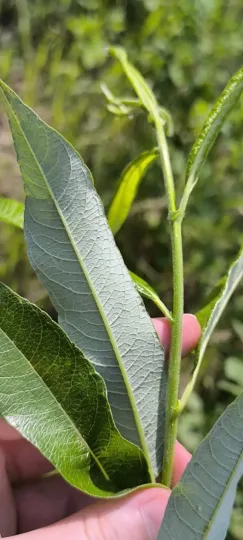
Description
Sowing dates
Propagation is typically achieved through vegetative cuttings. Healthy, dormant woody stems are harvested and prepared for planting to ensure the best possible start for the new willow stand.
The optimal planting time is early spring, immediately after the soil thaws. This allows the plants to establish a firm root system before the onset of the hottest summer temperatures, ensuring high survival rates.
For industrial cultivation, high-density planting patterns are utilized. A typical arrangement involves rows spaced to facilitate mechanical weeding and harvesting, optimizing the yield per hectare.
Management during the first year of establishment is crucial. This includes effective weed control, as the willow seedlings are susceptible to competition for light and nutrients in the early developmental stages.
Regular fertilization may be required depending on initial soil fertility. Proper nutrient management during the first two years is essential for building a healthy plant structure that will support multiple harvests.
Growing requirements
Burjatica willow (Salix burjatica Nasarow) is a member of the Salicaceae family. It is a vigorous, fast-growing shrub or small tree, highly valued for its exceptional ability to adapt to diverse and challenging environments.
Native to regions in Siberia and the Far East, this species is naturally conditioned to endure severe winters and significant seasonal climate fluctuations. It thrives in open, sunny locations where it can maximize its photosynthetic potential.
This crop has specific soil requirements, preferring fertile, loamy or sandy-loam soils that maintain adequate moisture throughout the growing season. While it is moisture-loving, it requires well-drained conditions to avoid root rot.
In terms of agricultural management, Burjatica willow demonstrates a high resilience. It is capable of developing a robust root system that helps the plant survive periods of moisture stress, provided it is established correctly.
The primary utility of this plant lies in its potential as a sustainable biomass crop. Due to its rapid biomass accumulation, it is extensively used in the production of wood chips and solid biofuels, contributing to green energy initiatives.
Main diseases and pests
Common health issues include various rust fungi, which are often exacerbated by high humidity and lack of air circulation within the densely planted field. Preventive measures such as adequate spacing are key.
Willow leaf beetles and other defoliators are primary pests that can impact growth rates by damaging the foliage. Persistent monitoring is necessary during the peak growing season to detect early infestations.
Integrated pest management strategies are recommended, focusing on maintaining plantation health and utilizing biological controls where possible to minimize chemical usage in biomass production.
Sanitation practices, such as removing infected branch material during winter, help break the life cycle of pathogens and keep the plantation productive for a longer period of time.
- Maintaining optimal field air circulation.
- Early detection of pest populations.
- Selecting resilient genotypes for plantation health.
Harvesting
The first harvest usually occurs 3 to 4 years after the initial planting. This allows the root system to become fully developed, which is a prerequisite for a long-lived and productive biomass plantation.
Subsequent harvests are performed on a 2 to 3-year rotation. This cyclic harvesting method encourages the willow to produce new, vigorous shoots from the stump, ensuring continuous production of biomass over decades.
Harvesting is ideally conducted during the winter months when the biomass has low moisture content and the soil is sufficiently frozen to support heavy harvesting machinery without structural damage.
The efficiency of the harvesting process is a major factor in the profitability of the crop. Modern harvester designs are employed to cut, collect, and chip the willow in a single pass, streamlining operations.
Once harvested, the biomass is typically stored in well-ventilated areas to continue drying, ensuring it is ready for industrial combustion or further processing into heating pellets.