
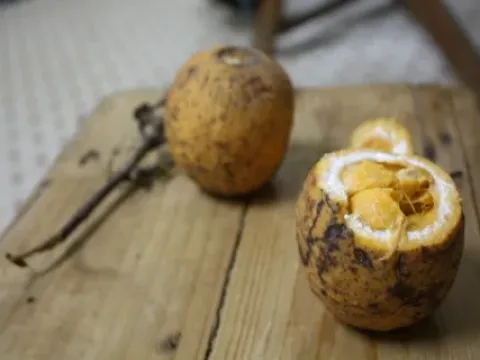
Saba
Saba
Saba (lat. Saba) is a prominent banana variety or group of cultivars (Musa acuminata × balbisiana) belonging to the Musaceae family. This hardy herbaceous plant is widely grown in tropical climates and is valued for its versatility in culinary applications and high starch content.
What the section contains


Saba
The plant thrives in warm, humid conditions with an optimal temperature range of +24°C to +30°C. It is intolerant to frost, and even short exposures to low temperatures can significantly damage the pseudostem and impact future fruit production cycles.
Soil quality is paramount for optimal growth; Saba prefers deep, fertile, and well-draining loamy soils. It is highly sensitive to waterlogging, as stagnant water in the root zone quickly leads to root rot and physiological decline of the entire plant.
Water management is critical, especially during the fruit development stage. While the plant requires significant rainfall or irrigation, maintaining a balance that prevents soil saturation is essential for consistent yields across the plantation.
Proper spacing is a key agricultural practice. Depending on the soil fertility and management style, spacing should allow for adequate sunlight penetration and air circulation to reduce the incidence of fungal diseases among the dense foliage.
Saba bananas are highly productive, with a single plant capable of producing large bunches weighing between 20 and 30 kilograms. The fruits are characterized by their thick, angular, and robust skin, which makes them highly resistant to post-harvest handling damage.
Unlike dessert bananas, Saba is primarily used as a cooking banana. Its high starch density makes it ideal for boiling, frying, or using in traditional culinary dishes, serving as a primary carbohydrate source in many tropical regions.
The plantation management relies on the selection of replacement suckers. Typically, each mat is pruned to support one flowering stem and one or two follower suckers of different ages, ensuring a continuous cycle of harvesting throughout the year.
The economic lifespan of a Saba plantation can exceed a decade if managed correctly. By continuously monitoring soil nutrients and applying organic matter, farmers can maintain high yield levels over successive seasons.
The fruits have a longer shelf life compared to traditional commercial banana varieties. This durability makes them excellent for local market distribution and export to regional markets without the need for sophisticated cold-chain infrastructure.
The most devastating threat to Saba cultivation is Panama disease (Fusarium wilt), caused by the fungus Fusarium oxysporum. This soil-borne pathogen attacks the vascular system, often forcing the total abandonment of affected plantation sites.
Black Sigatoka (leaf spot) is another significant disease that can severely limit production. It reduces the photosynthetic capacity of the leaves, resulting in smaller bunch sizes and lower-quality fruit if not controlled via fungicides or cultural methods.
The banana weevil is the primary insect pest, tunneling into the corm and pseudostem. This damage weakens the plant, making it more susceptible to wind-throw and various secondary bacterial infections that thrive in the tunnels created by the larvae.
Mitigation strategies include the use of disease-free planting material and rigorous field sanitation. Removing infected leaves and disposing of crop residue away from the plantation are essential steps in reducing inoculum levels.
Integrated Pest Management (IPM) is highly recommended. This involves regular scouting, the use of biological control agents, and maintaining healthy soil conditions to strengthen the natural resilience of the plants against endemic pests.