
Saba comorensis
Saba comorensis
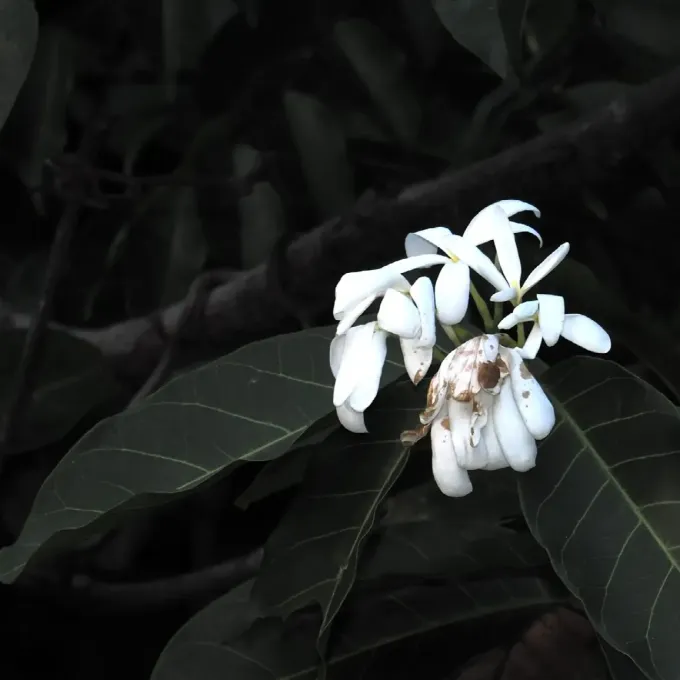
Description
Growing requirements
Saba comorensis, often known as the rubber vine, belongs to the Apocynaceae family and is a woody climber native to the tropical forests of Central and Western Africa.
The plant thrives in humid tropical environments, requiring consistent rainfall and high temperatures throughout the year to maintain its rapid vegetative growth.
It prefers deep, well-draining soils rich in organic matter, typically found in rainforest ecosystems, where it can climb high into the forest canopy.
In terms of light, the vine is quite versatile, though it prefers filtered sunlight and requires significant vertical space for its stems to develop properly.
Agrotechnical management includes providing durable trellising systems, as the plant possesses heavy woody stems that require structural support in cultivation.
Yield
The plant is highly valued for its edible round fruits, which contain a sweet, acidic pulp that is widely consumed by local populations across its native range.
These fruits are a significant source of nutrition, being rich in Vitamin C and essential minerals, and are frequently processed into juices and jams.
Besides the fruit, the vine has historical importance as a source of high-quality latex, which can be extracted from the stems for traditional rubber production.
The medicinal properties of the roots and bark contribute to the plant's economic value, as they are used in local pharmacological practices for treating various ailments.
With proper care and vertical space, Saba comorensis can produce multiple harvests, making it a sustainable choice for tropical agroforestry systems.
Main diseases and pests
Saba comorensis is susceptible to various fungal pathogens that thrive in high humidity, often resulting in leaf spots and stem rot if ventilation is poor.
Pests such as mealybugs and scales frequently attack the tender new growth, requiring consistent monitoring and integrated pest management strategies.
Root rot is a major threat in poorly drained soils, particularly if the plant is overwatered in containers or fields with heavy clay content.
Fruit flies pose a constant danger to the crop, as they bore into the ripening fruit, causing premature fruit drop and significant economic loss for farmers.
Regular pruning is a recommended practice to improve airflow within the vine canopy, which helps in mitigating the spread of fungal and bacterial infections.
Harvesting
The harvest period occurs when the fruits shift from a green color to a vibrant yellow or orange, signaling that the interior pulp has reached peak sweetness.
Harvesting is labor-intensive due to the height at which the fruits grow; growers often utilize specialized poles to pluck fruits without damaging the main stems.
Post-harvest, the fruits are sorted for market, and it is crucial to handle them carefully to preserve the integrity of the thick, protective outer rind.
Storage should be in a cool, shaded area to prevent the fermentation of the sugars within the fruit pulp, which can happen rapidly in high-temperature settings.
Maintaining the health of the plant during the harvest is essential, as aggressive picking can lead to stress and reduced yields in subsequent seasons.