
Rusty foxglove
Digitalis ferruginea L.
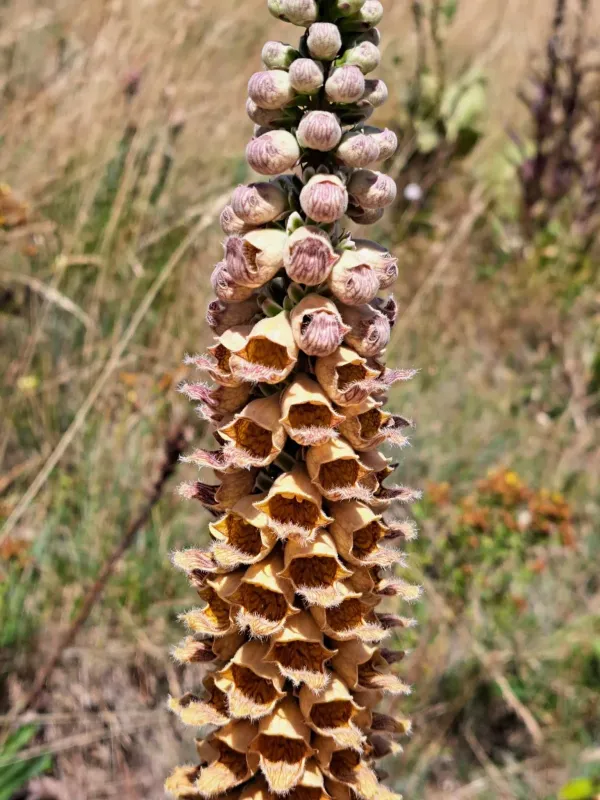
Description
Sowing dates
Digitalis ferruginea is a biennial herbaceous plant belonging to the Plantaginaceae family. It is characterized by the formation of a dense basal rosette in the first year and a tall flowering stem in the second.
Sowing in open ground is typically performed in early spring or autumn. Since the seeds are minute, they should be scattered on the surface and pressed gently into the soil rather than buried deeply.
The optimal germination requires temperatures ranging from 18 to 22 degrees Celsius. Keeping the seedbed moist is crucial during the initial stages of development.
Row spacing should be maintained at 45-60 cm to ensure adequate aeration and ease of maintenance, which prevents moisture accumulation near the crown.
Thinning is an essential practice that should be executed once the first true leaves emerge to ensure each plant has enough space to develop its full potential for high-quality foliage.
Growing requirements
The plant thrives in sunny locations with partial shade. While it adapts to various environments, it is most productive when protected from scorching mid-day heat.
Well-drained, fertile, and light soil with a slightly acidic to neutral pH is ideal for the cultivation of this species. Heavy clay soils that retain water must be amended with organic matter.
Proper drainage is the most critical factor for overwintering success, as stagnant water is a primary cause of crown rot and plant mortality during cold, damp winters.
Irrigation should be consistent throughout the growing season, especially during hot, dry spells. Water should be applied at the base of the plant to keep the leaves dry.
Fertilization with balanced mineral compounds during the vegetative phase promotes the growth of the basal rosette, which is the main target for medicinal harvesting.
Main diseases and pests
Powdery mildew is the most common fungal disease, manifesting as a white, powdery layer on the leaves. Improved air circulation around the plants is the best preventive measure.
Leaf spot infections often occur due to prolonged leaf wetness. If outbreaks occur, applying appropriate fungicides following the local agricultural standards is recommended.
Aphids can cause significant stress by feeding on the tender growth of the plant. Monitoring the crop and applying mild insecticides or natural predators helps manage populations.
Root rot is almost exclusively associated with poorly drained soil. If this occurs, it indicates a failure in site selection or soil preparation that must be addressed before replanting.
Nematodes are another concern in specific soil types. Crop rotation and maintaining healthy soil biological activity help minimize the risk of infestation by these pests.
Harvesting
The primary economic use of Digitalis ferruginea is in the pharmaceutical industry, where its leaves are processed to extract valuable cardiac glycosides for heart medications.
The harvest period is concentrated at the end of the first year of growth when the foliage reaches its peak concentration of active compounds before winter senescence.
Efficient harvesting involves manual picking or mechanical cutting, ensuring that no soil contamination enters the harvested batch of raw medicinal material.
Post-harvest processing requires immediate drying in controlled-temperature facilities. Drying at 50-60 degrees Celsius ensures the preservation of the chemical profile.
Quality control during storage is vital; the final product must be kept in airtight containers in cool, dark, and dry conditions to maintain its shelf-life and efficacy.