
Salix gracilistyla
Salix gracilistyla Miq.
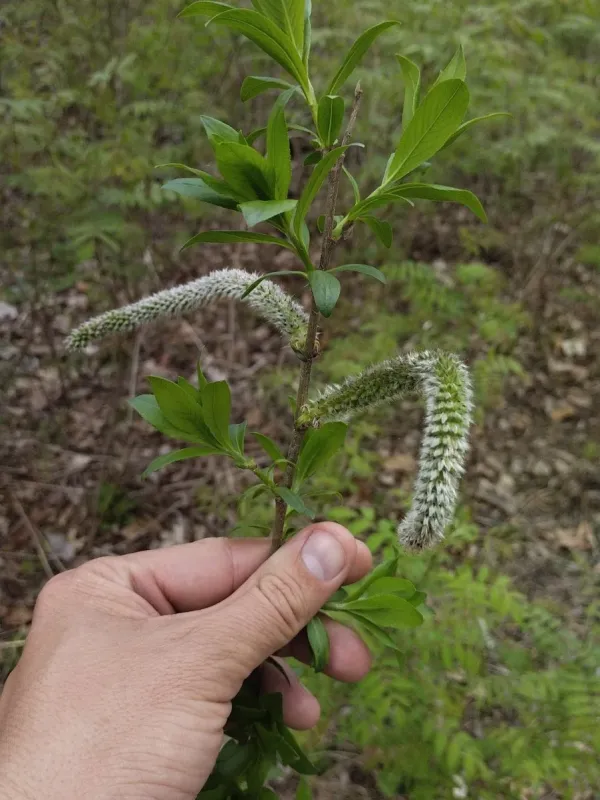
Description
Growing requirements
Salix gracilistyla, commonly known as the rose gold pussy willow, belongs to the Salicaceae family. This deciduous shrub is native to Japan, Korea, and China, typically inhabiting moist areas along rivers and stream banks.
The plant has specific environmental requirements, thriving best in moist, fertile soils. While it can adapt to various soil types, it is highly sensitive to drought and requires a consistent water supply to maintain healthy foliage and bloom development.
It prefers full sun to light shade. In regions with harsh climates, it is beneficial to provide shelter from strong winter winds to protect the developing flower buds, which are a hallmark of this species.
Soil quality is essential for optimal performance. The plant exhibits superior growth in slightly acidic to neutral substrates rich in organic matter, which supports vigorous annual growth cycles.
Agrotechnical maintenance focuses primarily on pruning. Since the plant blooms on previous year's wood, pruning should be conducted immediately after the flowering period to encourage new growth for the next season.
Yield
The primary economic use of Salix gracilistyla is in ornamental gardening. It is highly valued for its large, silky catkins that often display unique pink or purple hues, making them a popular choice for spring garden displays.
Landscapers often utilize this willow for waterfront plantings or as a focal point in borders. Its graceful habit and visual appeal contribute to its high demand in the nursery trade for residential and commercial landscapes.
Specific cultivars, such as 'Melanostachys', are sought after for their dark, almost black catkins with contrasting red anthers, representing a significant segment of the ornamental shrub market.
In addition to its aesthetic value, the plant is employed in soil conservation efforts. Its robust root system makes it an excellent choice for stabilizing banks and preventing soil erosion in riparian zones.
Commercial growers focus on producing healthy, uniform specimens through controlled propagation techniques, ensuring the plants meet the aesthetic standards required for high-end landscape projects.
Main diseases and pests
The shrub is susceptible to various pests, including leaf beetles and aphids. These insects can damage the foliage, leading to weakened plants and reduced aesthetic quality during the summer growing season.
Fungal diseases, particularly rust and various leaf spot pathogens, pose a significant risk, especially in environments with poor air circulation or excessive humidity that fosters spore growth.
Preventative care is essential, involving fungicide applications in early spring to suppress disease development. Proper spacing between plants is also crucial to ensure adequate airflow and reduce pathogen spread.
Winter injury can occur in colder climates, resulting in dieback of young stems. This damaged tissue can become a site for opportunistic infections, necessitating prompt removal of affected branches.
Integrated pest management, including regular inspections and the use of eco-friendly control agents, is recommended to keep the plants healthy while maintaining environmental sustainability in the garden.