
Gooseberry
Ribes uva-crispa L. var. sativum DC.
Description
Sowing dates
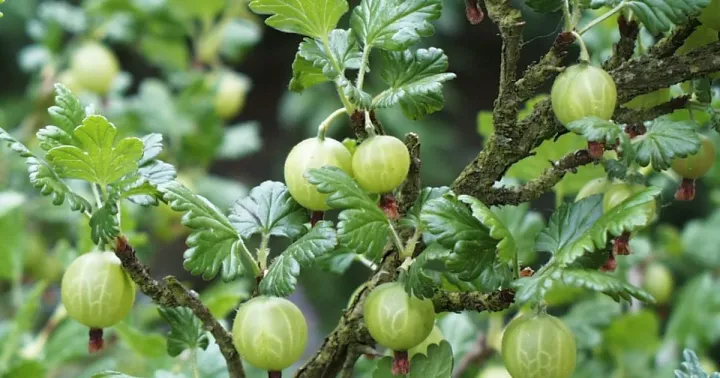
Gooseberry (Ribes uva-crispa L. var. sativum DC.) is a perennial deciduous shrub belonging to the Grossulariaceae family. It is a highly valued fruit crop widely cultivated across temperate regions for its nutritious and flavorful berries.
The optimal time for planting gooseberry bushes is autumn, approximately 2-3 weeks before the first hard frost. Planting during this window allows the root system to establish itself effectively before the dormant winter season, leading to more vigorous spring growth.
For cultivation, select well-lit sites that are sheltered from strong, drying winds. When planning the orchard layout, provide adequate spacing of 1.5 meters between individual bushes and up to 2.5 meters between rows to facilitate airflow and maintenance.
Vegetative propagation is the standard method to maintain cultivar purity. Layering is highly effective and simple for home and commercial growers, ensuring the new plants inherit all the desirable traits of the mother bush.
Site preparation involves deep soil tillage and the incorporation of organic matter such as compost or well-rotted manure. Given that the root system is primarily concentrated in the top 40-60 cm, soil enrichment in this zone is crucial for long-term health.
Growing requirements
Gooseberries thrive in fertile, well-drained loams or sandy soils with a neutral pH. The species is highly sensitive to waterlogging; therefore, avoid planting in low-lying areas where water can stagnate, as this significantly increases the risk of root rot.
Maintaining proper soil moisture is essential during the flowering and berry development phases. Drought stress results in smaller, less succulent berries, while excess humidity can create favorable conditions for fungal diseases, requiring balanced irrigation management.
Regular fertilization is necessary to sustain high productivity. Apply nitrogen-based fertilizers in early spring to support foliage growth, followed by phosphorus and potassium applications after harvesting to prepare the plant for the next season.
Pruning is a fundamental aspect of gooseberry management. Every year, remove diseased or dead branches and those older than 5-6 years to encourage new growth, which is more productive and resilient against pests and environmental stressors.
Gooseberries are generally cold-hardy, though sudden late frosts can occasionally damage flower buds. Applying a layer of mulch around the base of the plant helps retain soil moisture and acts as a buffer against temperature fluctuations during winter.
Yield
Yield potential depends heavily on cultivar selection and consistent care. Full production capacity is typically reached around the 4th or 5th year after planting, with healthy bushes capable of producing 5-12 kilograms of fruit per plant depending on the conditions.
The fruit varies in color, ranging from green and yellow to deep red and purple. The berries are prized for their versatility and are used extensively in the production of jams, jellies, preserves, and traditional dessert wines.
Commercial plantations are generally productive for 15-20 years. Consistent rejuvenation pruning throughout the life of the plantation is the key strategy for maintaining high yield performance and ensuring the longevity of the bushes.
Berries contain significant levels of antioxidants, vitamins, and dietary fiber, making them a popular choice for health-conscious consumers. Their unique sweet-tart profile makes them ideal for both fresh consumption and culinary processing.
By utilizing modern, disease-resistant cultivars, growers can ensure stable yields even in challenging years. Selecting varieties suited to the specific local climate is the most effective way to maximize production and minimize crop loss.
Main diseases and pests
American gooseberry mildew (Sphaerotheca mors-uvae) remains the most significant threat to the crop, affecting both leaves and fruit. It significantly reduces plant vigor and marketability of the berries, necessitating proactive management.
Insect pests, such as the gooseberry sawfly and the currant fruit borer, can cause localized damage to foliage and ripening fruit. Regular monitoring and timely intervention are essential to prevent widespread infestation during the growing season.
Anthracnose is another common disease that manifests as dark spots on the foliage, leading to premature leaf drop and weakening of the shrub. Maintaining clear ground around the plants is an effective preventive measure.
Control strategies include:
- sanitary pruning to remove infected branches;
- clearing away and burning fallen leaves;
- the use of bio-pesticides or fungicides during critical infection windows;
- maintaining plant spacing for optimal aeration.
Integrated Pest Management (IPM) practices significantly reduce the reliance on chemical inputs. Encouraging natural predators and maintaining healthy soil conditions can lower the incidence of pests and diseases naturally over time.
Harvesting
The timing of the harvest is determined by the intended end-use of the product. Berries destined for fresh sale should be harvested at full maturity, when they exhibit the characteristic color and ideal sugar content for the variety.
For industrial processing or long-distance transport, berries are often harvested at the "technical maturity" stage, while they are still firm, which prevents damage and bruising during handling and logistical transport.
Hand-picking is the standard harvesting method, often performed in multiple passes to ensure only berries at the desired ripeness level are collected. This phased approach maximizes the overall quality of the total yield.
Freshly picked gooseberries are delicate and require careful handling. Using ventilated containers is essential to prevent moisture buildup and heat accumulation, which could accelerate the deterioration of the fruit quality.
Cooling the berries to 0-2 °C immediately after harvesting will preserve their quality for up to two weeks. For longer-term storage, flash-freezing the berries is the best method to retain their nutritional profile and flavor throughout the year.