
Redcurrant
Ribes rubrum var. domesticum Wallr.
Description
Sowing dates
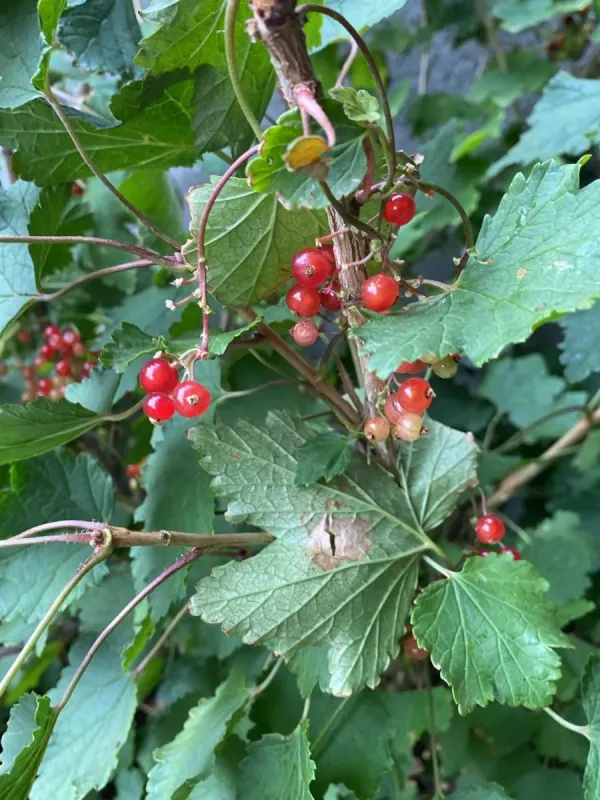
Redcurrant (Ribes rubrum var. domesticum Wallr.) is a perennial deciduous shrub belonging to the Grossulariaceae family, widely cultivated in temperate regions.
The most favorable time for planting redcurrant bushes is autumn, specifically September or early October, which allows the root system to establish before winter.
Spring planting is also an option, but it must be performed early, immediately after the soil thaws and before the buds on the plant begin to swell.
Propagation is generally achieved through vegetative methods, primarily using hardwood cuttings harvested during the plant's dormant season.
Layering is another highly effective technique, where low-growing branches are pinned to the soil to encourage root formation, providing vigorous new plants.
Growing requirements
Redcurrants thrive in open, sunny locations with protection from strong, drying winds, which ensures optimal fruit ripening and bush health.
The ideal soil for this crop is a fertile, well-draining loam or sandy loam with a slightly acidic to neutral pH level to ensure proper nutrient absorption.
While the plant is hardy and cold-tolerant, it requires consistent moisture throughout the growing season, particularly during the critical stages of flowering and fruit set.
Regular maintenance of the soil, including weeding and mulching, is essential to conserve moisture and maintain a competitive advantage for the shrub over unwanted vegetation.
Systematic pruning is a fundamental aspect of redcurrant care, as it stimulates the growth of productive, fruiting wood and improves overall air circulation.
Yield
A well-managed redcurrant bush can remain productive for 15 to 20 years, with peak yields occurring in the mature phase between ages 5 and 12.
To ensure consistent annual harvests, a proper pruning regime must be followed to maintain a balance between new growth and older, fruit-bearing branches.
Depending on the cultivar and cultivation standards, a healthy mature bush can produce between 4 to 8 kilograms of high-quality berries per season.
The berries are firm and durable, which is a significant advantage for commercial growers focusing on the fresh market and long-distance distribution.
Improving yields is often achieved through modern fertigation systems that supply nutrients directly to the root zone during peak development phases.
Main diseases and pests
Redcurrants are susceptible to common fungal diseases such as powdery mildew, leaf spot, and anthracnose, which can lead to premature leaf drop.
Pest pressures typically include the currant borer, aphid infestations, and spider mites, all of which require monitoring and timely management.
Integrated Pest Management (IPM) strategies, including the use of resistant varieties and cultural practices, are preferred to minimize the need for chemical intervention.
Sanitation, such as removing and destroying infected branches or fallen leaves, plays a critical role in reducing the pathogen load within the garden environment.
Proactive monitoring during the early spring and post-harvest periods is vital to identify and address pest outbreaks before they cause irreversible damage.
Harvesting
Redcurrant harvest typically occurs in mid-to-late summer, once the berries have reached their full color and sugar content based on the specific variety.
The fruits should be picked carefully, ideally by the strig (the stem of the cluster), to avoid damaging the individual berries and ensuring longer shelf life.
Harvesting is best conducted in the early morning after the dew has evaporated, as cooler temperatures help preserve the quality of the harvested produce.
Post-harvest handling requires quick cooling of the fruit to maintain firmness and flavor, especially if the berries are intended for storage or transport.
Due to their high acidity and pectin content, redcurrants are highly prized for culinary uses, including the production of jellies, preserves, and gourmet sauces.