
Few-flowered currant
Ribes pauciflorum Turcz. ex Pojark.
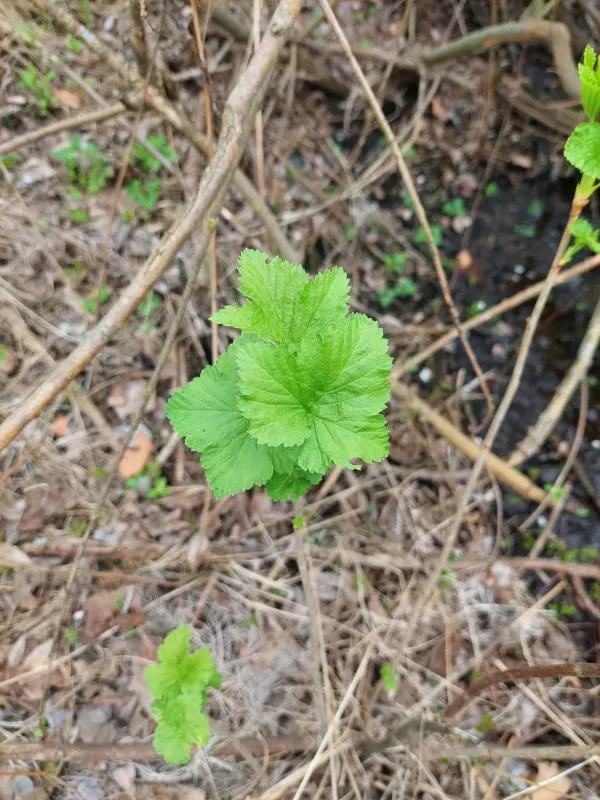
Description
Growing requirements
The few-flowered currant (Ribes pauciflorum) is a deciduous shrub that belongs to the family Grossulariaceae. This species is characterized by its sparse floral arrangements and specific adaptation to cool, shaded forest environments, which sets it apart from common garden varieties.
Originating primarily from the mountainous regions of Eastern Siberia and the Far East, this plant thrives in subalpine zones. It is typically found near streams and in moist, high-altitude forest gaps, reflecting its need for consistent environmental moisture.
The plant has specific soil requirements, preferring well-drained but consistently damp ground rich in organic matter. It is sensitive to drought and intense solar exposure, making the selection of an appropriate site with partial shade essential for healthy development.
Botanically, Ribes pauciflorum is highly adapted to severe cold and short growing seasons. Its physiological resilience to freezing temperatures makes it an interesting subject for plant breeders looking to enhance cold tolerance in commercial currant cultivars.
Regarding its utility, the species is primarily valued for its contribution to biodiversity and its potential as a genetic resource in the breeding of resilient, hardy berry crops capable of producing fruit in harsh, high-latitude climatic conditions.
Main diseases and pests
Like many species within the Ribes genus, this plant can be susceptible to various fungal pathogens. The most common issues include anthracnose and leaf spot, which thrive when airflow is restricted or humidity remains excessively high around the foliage.
Pests that typically affect this species include aphids and currant borer larvae. Integrated pest management, such as promoting beneficial predatory insects and ensuring proper plant spacing for adequate air circulation, is the most effective approach for maintaining plant health.