
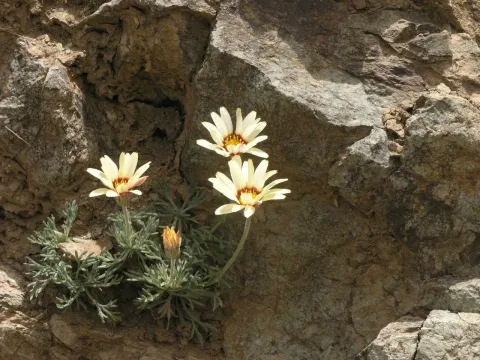
Rhodanthemum
Rhodanthemum
Sowing Rhodanthemum seeds should ideally take place in early spring, around March or April, using a greenhouse or indoor seed trays. This method ensures that the young plants develop strong roots before being transplanted into their permanent outdoor locations.
What the section contains


Rhodanthemum
In regions with mild winter climates, direct sowing can be done once the soil has warmed sufficiently. The soil temperature should remain stable between 18 and 22 degrees Celsius to ensure consistent germination of the seeds throughout the seedbed.
Rhodanthemum seeds are light-sensitive and should be sown on the surface of the growing medium rather than buried deep. Gently pressing the seeds into the soil surface and keeping the environment consistently moist is vital during the initial stages.
Once the seedlings develop two or three true leaves, they should be carefully pricked out into individual pots. Minimizing root disturbance during this process is essential for the future vigor and health of the young Rhodanthemum specimens.
A hardening-off period is recommended before moving the plants outdoors. Exposing the seedlings to gradually increasing amounts of direct sunlight and cooler outdoor temperatures helps them acclimatize and reduces transplant shock significantly.
Rhodanthemum, a member of the Asteraceae family, is a perennial subshrub native to the mountainous regions of North Africa. It is highly adapted to rocky, well-draining soils and thrives in locations where it receives full, direct sunlight throughout the day.
The ideal soil for this crop is lean, sandy, or gravelly, with excellent drainage capacity. It is critical to avoid heavy, clay-based soils that retain moisture, as Rhodanthemum is highly susceptible to root decay when exposed to wet feet for prolonged periods.
This plant is naturally drought-tolerant once established and performs best in environments where water is managed carefully. Irrigation should be restricted to periods of extreme drought, always aiming to keep the foliage and flowers dry to maintain aesthetics.
Nutrient requirements are relatively low; excessive fertilization, particularly with nitrogen, will lead to lush leaf growth at the expense of floral display. A balanced, low-nitrogen slow-release fertilizer can be applied once during the spring growing season.
Adequate spacing is crucial to ensure proper air circulation between plants. This helps prevent the microclimate around the foliage from becoming too humid, which is the primary catalyst for fungal diseases and pest outbreaks in Rhodanthemum plantings.
The primary threat to the health of Rhodanthemum is root rot caused by stagnant water or excessively wet conditions. Once the root system is compromised, the plant often wilts rapidly, making prevention via proper drainage the most effective strategy.
High humidity levels can facilitate the spread of powdery mildew on the leaves. Providing excellent air movement and avoiding overhead irrigation can significantly reduce the incidence of this fungal disease throughout the growing season.
Pests such as aphids and spider mites can occasionally infest the plant, particularly in sheltered or poorly ventilated areas. Regular inspection of the undersides of leaves and buds allows for early intervention using appropriate organic or chemical insecticides.
Slugs and snails can pose a danger to young or delicate plants during cool and damp weather. Using physical barriers or non-toxic traps around the perimeter of the planting area can help mitigate this risk without harming the environment.
Routine sanitation, including the prompt removal of dead flowers and decaying debris, is essential for plant hygiene. Keeping the area surrounding the base of the plant clear and dry is a fundamental practice in maintaining long-term vitality.