
Rhodanthemum
Rhodanthemum hybrids
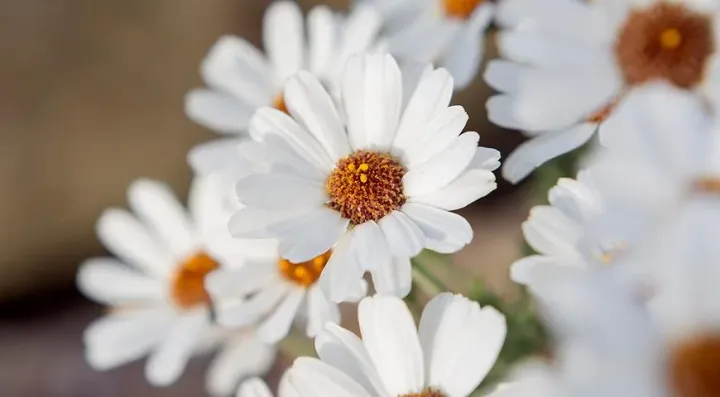
Description
Sowing dates
Rhodanthemum (Rhodanthemum hybrids) is a perennial herbaceous plant belonging to the Asteraceae family. Native to the mountainous regions of North Africa, it is known for its rugged and resilient nature.
Propagation is primarily done via seeds or cuttings. Sowing is usually performed in late winter to ensure flowering occurs within the first year of cultivation.
The seeds require a light, well-draining substrate for successful germination. They should be sown on the surface and pressed gently without being buried deep in the soil.
Germination typically takes two to three weeks when temperatures are maintained between 18°C and 20°C. Maintaining a consistent but not excessive moisture level is crucial.
Cuttings taken in late summer are highly effective for preserving specific hybrid characteristics, providing a reliable method for professional greenhouse propagation.
Growing requirements
Rhodanthemum thrives in full sun conditions, requiring maximum light exposure to maintain its compact, attractive habit and stimulate heavy blooming throughout the season.
The soil must be lean, gritty, and exceptionally well-drained. Waterlogged soil is the primary cause of plant failure, leading to rapid root rot and overall decline.
It performs best in alkaline to neutral, sandy, or rocky soils, mimicking its natural habitat in the Atlas Mountains. Heavy clay soils should be heavily amended with grit or perlite.
While somewhat hardy, the plant prefers temperate climates and requires protection from extreme cold and excessive winter humidity in colder hardiness zones.
Watering should be kept to a minimum. Once established, these plants are highly drought-tolerant and prefer periods of dry soil between irrigation cycles.
Main diseases and pests
The most common threat to Rhodanthemum is root rot caused by stagnant water. This fungus disease can destroy a healthy plant within a very short period.
Aphids and spider mites are the most frequent pests. These insects can cluster on new growth, causing stunting and foliage damage if left untreated during hot, dry weather.
To prevent disease, ensure proper spacing between plants to facilitate adequate airflow. Avoiding overhead watering also helps keep the foliage dry and healthy.
Integrated pest management, including regular inspection and the use of targeted insecticides, is recommended to keep populations of harmful insects under control.
- Regular deadheading to prolong the blooming period.
- Top-dressing with grit to keep the base of the plant dry.
- Applying low-nitrogen fertilizer to prevent leggy growth.