
Rhodanthemum arundanum
Rhodanthemum arundanum
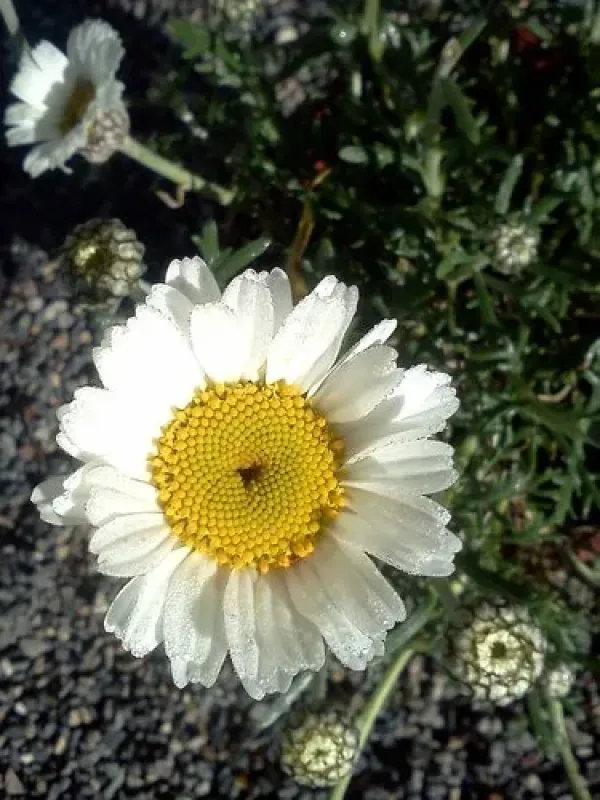
Description
Sowing dates
Rhodanthemum arundanum is a perennial herbaceous plant belonging to the Asteraceae family. For propagation, seeds are sown in trays in late winter or early spring to ensure the plants are strong enough for transplanting.
Seeds should be lightly covered with substrate because they require light to germinate. The optimal temperature for germination is between 18 and 20 degrees Celsius, with seedlings appearing within two to three weeks.
Pricking out the seedlings should be done after the second pair of true leaves emerges. Transplanting to the permanent location in the garden must only occur after the risk of frost has passed and the soil has warmed up.
Selecting the right spot is crucial, as the plant demands intense sunlight. Even partial shade can lead to leggy stems and reduced decorative quality, which diminishes the overall appeal of the plant.
Plant spacing should be calculated based on the shrub's habit, typically keeping a distance of 25–30 centimeters between specimens. This ensures adequate air circulation and helps prevent fungal infections.
Growing requirements
This crop has specific soil requirements, preferring loose, well-drained substrates with a neutral to slightly alkaline pH level. Good drainage is the most critical factor for successful growth.
In heavy clay soils, the plant will quickly fail due to water retention in the root zone. In such cases, incorporating sand or fine gravel into the soil is necessary to improve aeration and drainage.
Rhodanthemum arundanum is a drought-tolerant species native to Mediterranean climates. Excess watering is far more lethal to the plant than temporary water scarcity or dry periods.
Mineral fertilizers should be applied sparingly. An excess of nitrogen promotes aggressive vegetative growth at the expense of blooming, which significantly reduces the ornamental value of the plant.
Regular weeding and loosening of the soil surface help maintain an optimal water balance. Mulching with fine stones mimics the plant's natural habitat and keeps the root crown dry and healthy.
Main diseases and pests
The primary threat to this species is root rot caused by waterlogged substrates. Fungal infections, such as those caused by Phytophthora or Pythium, can cause the plant to wilt and die very quickly.
Among pests, aphids and spider mites are the most common, especially during hot and dry summer weather. They feed on plant sap, causing leaf yellowing and shoot deformation.
For pest control, systemic insecticides or biological control methods are recommended. Regular inspection of the foliage during the growing season is vital to prevent the rapid spread of infestations.
In high humidity conditions, powdery mildew can develop. Prevention involves strict adherence to watering regimes and ensuring that water droplets do not settle on the leaves for extended periods.
Proper agronomic practices, including strict drainage control and adequate spacing between plants, are the best methods to minimize disease risk without the need for harsh chemicals.