
Anigozanthos rufus
Anigozanthos rufus Labill.
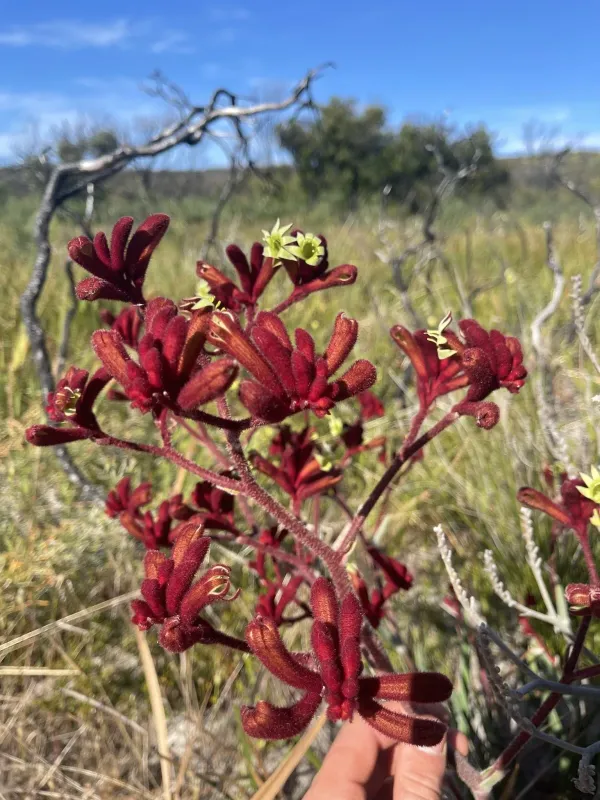
Description
Sowing dates
Seeds of Anigozanthos rufus should be sown in a specialized, well-draining substrate to prevent root rot. The optimal time for sowing is early spring when increasing daylight hours stimulate germination.
To improve germination rates, seeds may require stratification or soaking in growth stimulants. Sow the seeds shallowly, as they are light-dependent for successful sprouting and establishment.
Maintain a stable temperature between 20–25 degrees Celsius throughout the germination period. Consistent moisture in the substrate is essential, but it must never be waterlogged, as this is fatal to young seedlings.
Germination is often uneven and may take several weeks to complete. Once the seedlings develop two or three true leaves, they should be pricked out into individual containers with a sandy, porous soil mix.
This plant belongs to the Haemodoraceae family and is native to the southwestern regions of Australia. It has evolved to thrive in sandy, nutrient-poor soils characteristic of its natural habitat.
Growing requirements
Anigozanthos rufus requires maximum sunlight exposure to produce healthy flower spikes and vibrant coloration. Inadequate lighting results in stunted growth and a complete failure to flower.
The plant prefers loose, acidic to neutral soils with low phosphorus levels. Members of the Haemodoraceae family are notoriously sensitive to excessive phosphorus, which can lead to toxicity symptoms.
Climate requirements include a frost-free environment with moderate moisture during the active growing season. In non-native regions, this species is best cultivated in greenhouses or controlled climate zones.
Proper air circulation is critical to prevent foliage diseases. Stagnant air coupled with high humidity quickly invites pathogens, making airflow a priority in any cultivation setting.
Watering should be performed at the base of the plant to keep the fuzzy foliage and flowers dry. The use of soft water is recommended to maintain the long-term health of the root system.
Main diseases and pests
The primary threat to this species is fungal leaf spot, such as Alternaria, which manifests as dark lesions across the leaves. These infections can spread rapidly if the environment remains too humid.
Pests like snails and slugs are major threats, as they readily consume the succulent leaves and developing flower stalks. In greenhouse environments, spider mites and aphids can also cause significant damage.
Root rot, driven by poor drainage or excessive watering, is the most common cause of plant failure. Implementing a strict irrigation schedule is essential for the long-term survival of the crop.
Nutritional deficiencies, specifically iron or magnesium chlorosis, can occur if soil pH is not maintained. Proper soil testing ensures that the plant can effectively uptake necessary micronutrients.
Integrated pest management, including regular inspection and barrier methods, is preferred over the use of harsh chemicals. Care must be taken as the plant is sensitive to various concentrated insecticides.
Harvesting
Commercial production of Anigozanthos rufus focuses on high-quality cut flowers. Stems are typically harvested when at least half of the buds on the raceme have begun to open.
Harvesting should be done in the cool morning hours using sterilized tools to minimize the risk of infection. Proper post-harvest care ensures a vase life of two weeks or more.
The plant is highly valued in the floral industry for its unique, velvet-like texture. These flowers are frequently used in both fresh bouquets and dried floral arrangements due to their durability.
Post-harvest, plants require a recovery period and light fertilization to prepare for subsequent growth cycles. Avoid excessive harvesting from individual plants to maintain their long-term vigor.
Transporting cut flowers requires careful handling to prevent bruising of the sensitive, hairy petals. The aesthetic appeal of the red kangaroo paw makes it a premium product in the exotic floral market.