
Scarlet dahlia
Dahlia coccinea Cav.
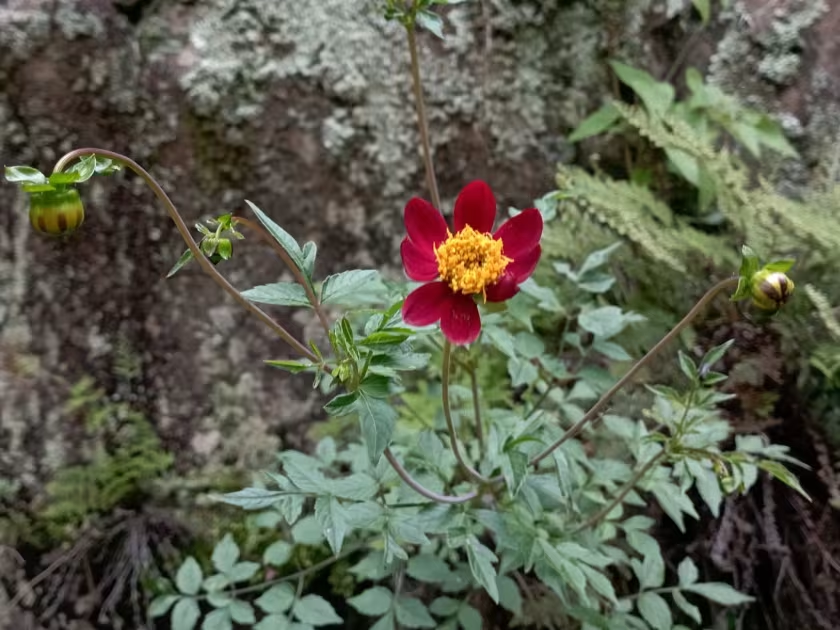
Description
Sowing dates
The sowing of Scarlet dahlia (Dahlia coccinea) seeds is typically performed in late winter or early spring under greenhouse conditions or indoors. Sowing in February or March ensures that plants are well-developed before the outdoor planting season begins.
For seed germination, use a high-quality potting mix with good drainage properties. Seeds should be lightly covered with soil and maintained at a constant temperature of approximately 20–22 °C to ensure successful sprouting and strong initial growth.
Pricking out the seedlings into individual containers is required once the first set of true leaves develops. This provides each seedling with sufficient space and nutrients, preventing the development of weak or spindly stems.
Hardening off the seedlings is an essential process that involves gradually exposing the plants to outdoor conditions over two weeks. This acclimatization helps to reduce transplant shock when the dahlias are finally moved to the flower bed.
Propagation can also be achieved through tuber division during the dormant season. Each tuber fragment must contain at least one healthy growth eye to ensure successful shooting once the tuber is planted in warm spring soil.
Growing requirements
Scarlet dahlia (Dahlia coccinea Cav.) belongs to the Asteraceae family and is native to the mountain regions of Mexico. This perennial species is valued for its vibrant flowers and is often used in landscape design and formal flower borders.
The crop requires a sunny, sheltered location to thrive. It performs best in nutrient-rich, well-draining soil with a neutral pH. The presence of organic matter in the soil significantly improves bloom quality and overall plant vigor.
Watering management is crucial for this species. While they require consistent moisture for healthy growth, they cannot tolerate waterlogged conditions. Improper soil moisture leads to tuber rot, particularly in heavy or poorly drained substrates.
Good air circulation is necessary to support healthy growth and prevent potential disease outbreaks. In many climates, taller varieties require staking to prevent stems from breaking under their own weight during periods of heavy rain or wind.
As a frost-tender plant, Scarlet dahlia must be managed carefully in temperate regions. Tubers should be lifted from the ground after the first killing frost, cleaned, and stored in a cool, dry environment until the following spring.
Main diseases and pests
Aphids, thrips, and spider mites are common pests that attack the dahlia foliage, draining sap and potentially spreading viral infections. Routine monitoring and the application of appropriate insecticides or horticultural oils help manage these threats.
Botrytis (grey mold) and powdery mildew are frequent fungal diseases, particularly in humid, still-air conditions. Reducing plant density and maintaining proper airflow around the foliage are primary cultural practices for effective disease prevention.
Root-knot nematodes can severely affect dahlia tubers by creating galls that impede nutrient uptake. Infected tubers should be destroyed, and crop rotation should be practiced to prevent the buildup of soil-borne pests in the planting area.
Slugs and snails can cause significant damage to emerging shoots during the early stages of the growing season. Using physical barriers, such as copper tape or crushed eggshells, can help protect young plants from these common garden pests.
Sanitation practices, including the removal of dead foliage and the cleaning of garden tools after working with infected plants, are essential. This reduces the risk of fungal spores and viral particles persisting in the garden environment.