
Dahlia
Dahlia x cultorum Thorsr. et Reis.
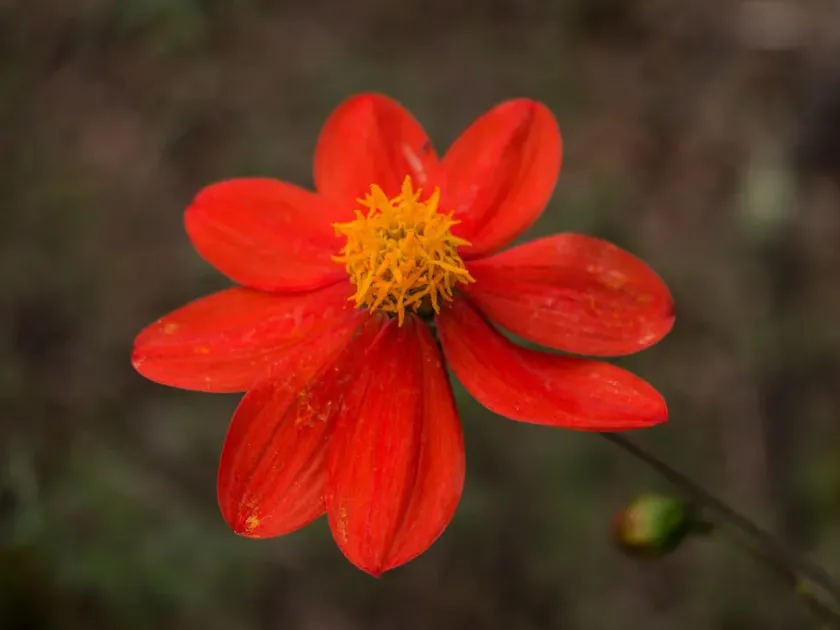
Description
Sowing dates
Dahlia (Dahlia x cultorum) is a popular perennial flowering plant belonging to the Asteraceae family, prized for its diverse range of bloom shapes and colors.
The standard propagation method involves the division of tuberous roots, ensuring that each piece has at least one healthy bud to sprout effectively in the spring.
Planting outdoors should occur after the danger of frost has passed, ensuring the soil temperature is sufficiently warm to promote rapid and uniform initial growth.
Pre-sprouting tubers in pots indoors about a month before the final frost date allows growers to achieve earlier blooming and establish stronger root systems.
When selecting a site, consider the plant's need for direct sunlight and protection from heavy winds to ensure healthy stem structure and vibrant floral development.
Growing requirements
Dahlias thrive in well-draining, humus-rich soil that is fertile and slightly acidic to neutral in pH, providing the necessary nutrients for biomass production.
Consistent irrigation is vital during the growing season; however, growers must ensure excellent drainage to prevent the tuberous roots from rotting during wet periods.
Regular fertilization with balanced NPK formulas, transitioning to higher potassium levels during budding, is recommended to support high-quality, large-scale flowering.
Tall varieties require staking or mechanical supports early in their development to protect the stems from snapping under the weight of large blossoms or strong gusts.
Given their tropical origin, dahlias are not frost-hardy, necessitating the annual lifting of tubers in climates with cold winters to ensure plant survival.
Main diseases and pests
Aphids, thrips, and spider mites are common pests that feed on the sap of tender growth, potentially causing foliage deformation and transmitting dangerous viruses.
Below-ground pests such as wireworms and slugs can cause significant damage to tubers, often leading to secondary bacterial infections and total loss of the plant.
Powdery mildew is a prevalent fungal disease that typically manifests in humid or stagnant air conditions, covering the leaves in a characteristic white dust.
Root rot and crown rot represent major threats, primarily caused by excessive soil moisture, poor site drainage, or improper sanitation during winter storage.
Integrated pest management, including regular inspection and the use of fungicides, is essential to maintain the health and vigor of the dahlia collection.
Harvesting
The harvest of dahlia tubers begins once the first frost has blackened the foliage, signaling the end of the vegetative cycle and the move to dormancy.
Carefully lifting the clumps with a pitchfork prevents physical damage to the tender tuberous roots, as nicks and cuts are prime entry points for decay pathogens.
Post-harvest treatment involves gentle cleaning, trimming the stalks to a few inches, and allowing the tubers to cure in a dry, shaded area for several days.
Storage requires a cool, frost-free environment with good ventilation, where temperatures remain steady to prevent either dehydration or premature sprouting.
Placing tubers in crates filled with materials like peat moss or vermiculite helps regulate humidity, successfully protecting the harvest until the next planting cycle.