
Dissected dahlia
Dahlia dissecta S. Watson
Description
Growing requirements
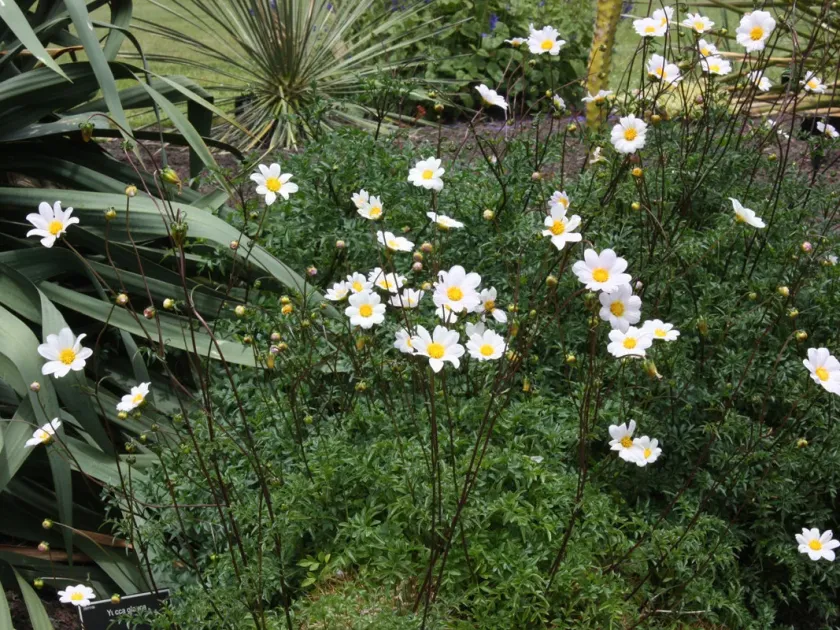
Dahlia dissecta, commonly known as the dissected dahlia, is a herbaceous perennial plant belonging to the Asteraceae family. Originating from the mountainous regions of Mexico, it is valued for its unique foliage and natural grace.
The plant requires a sunny location with exposure to direct light for at least six hours a day. It is frost-tender, meaning the tubers must be lifted and stored indoors throughout the winter in temperate climates.
Soil quality is paramount for this species; it thrives in loose, fertile, and well-draining soil with a near-neutral pH level. Incorporating compost can significantly enhance the plant's nutrient uptake.
Watering should be consistent throughout the growing season to ensure healthy bloom development, yet it is crucial to avoid waterlogged conditions which can induce rot in the tuberous roots.
As a decorative plant, Dahlia dissecta is frequently used in naturalistic garden settings, offering a distinct aesthetic that differs significantly from standard, high-maintenance dahlia hybrids.
Main diseases and pests
Powdery mildew represents a primary fungal threat, particularly in humid or stagnant air conditions, often causing a white dusty coating on the leaves and stems.
Tuber rot, or Fusarium wilt, is another significant issue occurring when soil drainage is poor, leading to the rapid decay of the underground root system during the dormant period.
Spider mites are a common pest that thrives in dry conditions, causing leaf discoloration and creating fine webs that weaken the plant's physiological processes.
Aphids tend to colonize the tender shoots and budding flowers, stunting growth and occasionally spreading viral diseases through their feeding activities.
Effective pest management involves integrated control strategies, including the use of neem oil, organic soaps, and maintaining adequate air circulation around the plants to prevent disease.