
Dahlia
Dahlia x hortensis Guillaumin
Description
Sowing dates
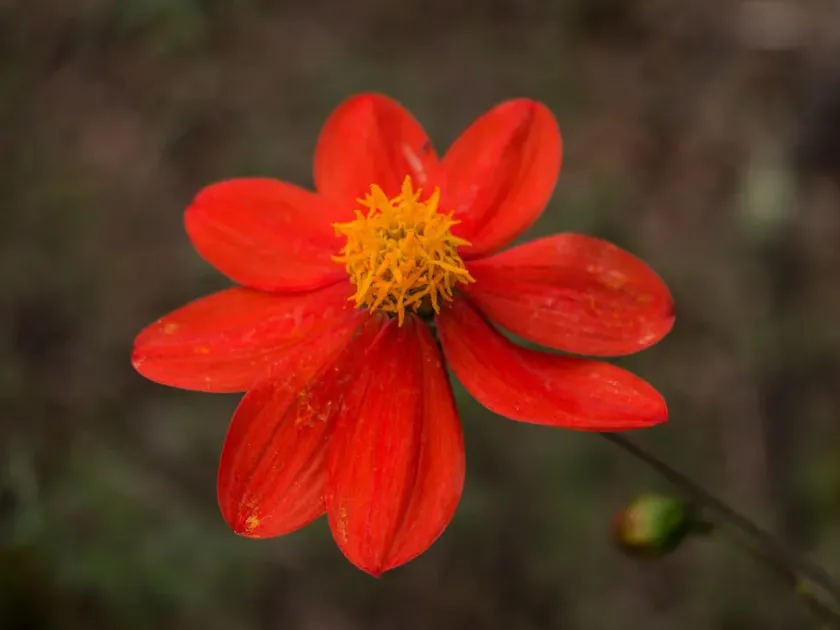
Dahlia (Dahlia x hortensis Guillaumin) is a perennial herbaceous plant belonging to the Asteraceae family. It is widely cultivated for its diverse and spectacular flower heads and its edible, tuberous root systems in some regions.
Propagation is primarily achieved through the division of tuberous roots. Planting should occur after the danger of spring frost has passed and the soil temperature has reached at least +10...+12°C, usually in late spring.
For earlier flowering, tubers can be pre-sprouted in a bright indoor location at temperatures between +18°C and +20°C for two to three weeks before being transplanted into the open field.
Commercial growers often use stem cuttings taken from mother plants in late winter or early spring. This method allows for the rapid multiplication of specific cultivars while maintaining the genetic consistency of the planting stock.
Seed-based propagation is used primarily for breeding or producing annual bedding displays. Seeds are sown indoors in early spring, and seedlings require hardening off to ensure survival and robust growth after field transplantation.
Growing requirements
Dahlias thrive in full sun and require a location protected from strong winds. Insufficient sunlight results in weak, leggy stems and poor flower production, significantly reducing the decorative value of the crop.
The ideal soil is fertile, well-drained, and slightly acidic to neutral in pH (6.0–7.0). Proper soil structure is essential to prevent waterlogging, which often leads to the rapid decay of the tuberous roots.
Adequate moisture is critical for vigorous growth, especially during the peak summer months. Regular deep watering is preferred over light daily sprinkling, and the use of mulch helps stabilize soil temperature and moisture levels.
The plant prefers moderate temperatures around +20...+25°C. High heat stress combined with low humidity can inhibit flowering, making consistent irrigation management an essential task for any grower.
Nutrient management involves balanced fertilization. High-nitrogen fertilizers are applied during early vegetative growth, while phosphorus and potassium levels are increased as the plants begin to develop buds to enhance blooming.
Main diseases and pests
Pests such as aphids, thrips, and spider mites pose the greatest threat to dahlias. These sucking insects not only damage plant tissue but are also primary vectors for various viral diseases that can permanently stunt growth.
Powdery mildew is a common fungal infection, appearing as a white, dusty layer on the leaves. Management includes ensuring adequate spacing between plants for airflow and applying appropriate fungicides during humid conditions.
Tuber rot, including Fusarium and other fungal infections, is a major risk during storage or in poorly drained soils. Careful handling and sanitation are necessary to prevent the spread of soil-borne pathogens.
Slugs and snails can cause significant damage to young succulent shoots early in the season. Control measures include the use of physical barriers, bait traps, or chemical molluscicides when necessary.
- Aphids and Thrips
- Powdery Mildew
- Fusarium Wilt
- Slugs and Snails
Harvesting
Tubers are harvested in autumn immediately after the first killing frost has blackened the foliage. The stems should be cut back to about 10–15 cm above the soil level to facilitate the extraction of the root mass.
Lifting the tubers must be done with extreme care to avoid mechanical damage. Damaged tubers are highly susceptible to secondary infections and rot during the winter storage period.
After lifting, tubers should be cleaned of soil, inspected for disease, and allowed to air-dry in a cool, shaded, and well-ventilated area for several days to cure properly before long-term storage.
Storage conditions are critical for survival; tubers should be kept in a cool environment (approximately +3...+7°C) with moderate humidity, layered in peat, sand, or wood shavings to prevent desiccation.
Regular monitoring during storage is essential. Any signs of decay should be addressed by removing the affected portion and treating the healthy tissue with antifungal agents to protect the stock until spring.