
Dahlia merckii
Dahlia merckii Lehm.
Description
Sowing dates
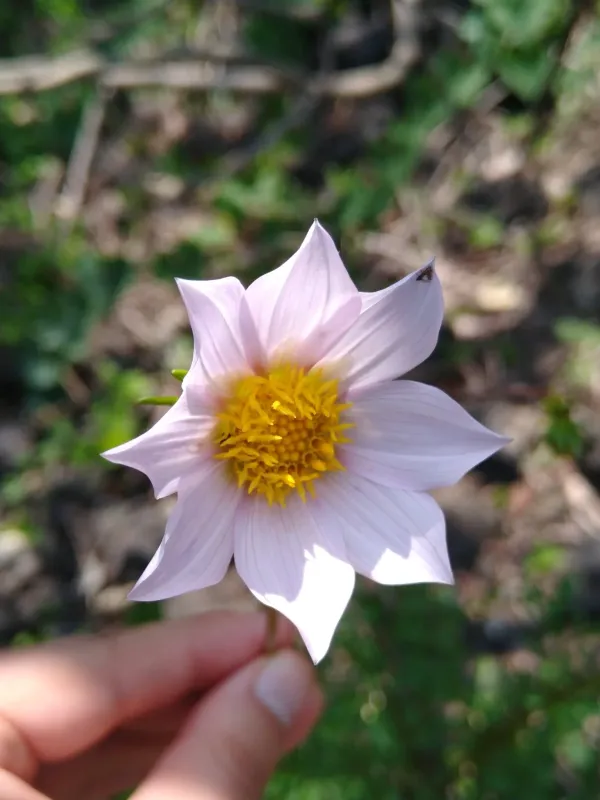
Dahlia merckii is a distinctive member of the Asteraceae family, known for its fine-textured foliage and delicate flowers compared to typical garden dahlia hybrids.
Propagation is primarily done via seeds sown in early spring in controlled greenhouse conditions, or through careful division of its tuberous roots in the dormant season.
Seeds require a well-draining germination mix and steady warmth to ensure high viability and uniform development of the seedlings before transplanting.
Seedlings should be hardened off before being moved to the garden bed once the risk of frost has passed to prevent cold damage to the tender shoots.
This species is well-suited for temperate gardens where it can be grown as a seasonal perennial, provided it is lifted and stored properly before the ground freezes.
Growing requirements
The plant thrives in full sun exposure, which is necessary to promote vigorous growth and a high number of blooms throughout the summer season.
Soil quality is paramount; it must be fertile, rich in organic matter, and provide exceptional drainage to prevent the tuberous roots from rotting during wet weather.
Regular watering is required to maintain soil moisture, especially during the peak of summer, but the soil should be allowed to dry slightly between irrigation cycles.
Fertilization with a balanced, slow-release fertilizer during the planting phase helps sustain the plant, while phosphorus-rich feeds encourage optimal flower production.
Space the plants adequately to ensure good air circulation, which helps reduce the risk of humidity-related foliage diseases and pest infestations.
Main diseases and pests
Aphids are common pests that colonize the growing tips and underside of leaves, causing curling and reducing the overall vigor of the Dahlia merckii plant.
Powdery mildew is a prevalent fungal disease that appears as a white coating on the leaves, usually triggered by poor air movement and high humidity levels.
Slugs and snails are particularly problematic for young shoots, requiring the use of physical barriers or organic bait to prevent total destruction of the foliage.
Root rot pathogens can destroy the tubers if the soil remains waterlogged or if the drainage system in the planting hole is insufficient for the climate.
Integrated pest management, including regular inspection and the use of targeted horticultural soaps or fungicides, is recommended to keep the plant healthy.
Harvesting
Tuber harvesting must occur after the first significant frost kills the top growth, as this signals the plant to enter its natural winter dormancy period.
Carefully lifting the tubers with a fork ensures that the delicate root structures are not damaged, which is essential for successful replanting in the following year.
The tubers should be cleaned of excess soil, trimmed of old stem tissue, and allowed to cure in a dry, dark place for several days before winter storage.
Ideal storage conditions involve packing the tubers in slightly moist sand or peat moss in a cool area where temperatures remain stable above freezing.
Regular monitoring during storage is necessary to ensure no rotting or excessive desiccation occurs, guaranteeing a healthy start for the next growing season.