
Bell dahlia
Dahlia campanulata Saar et al.
Description
Sowing dates
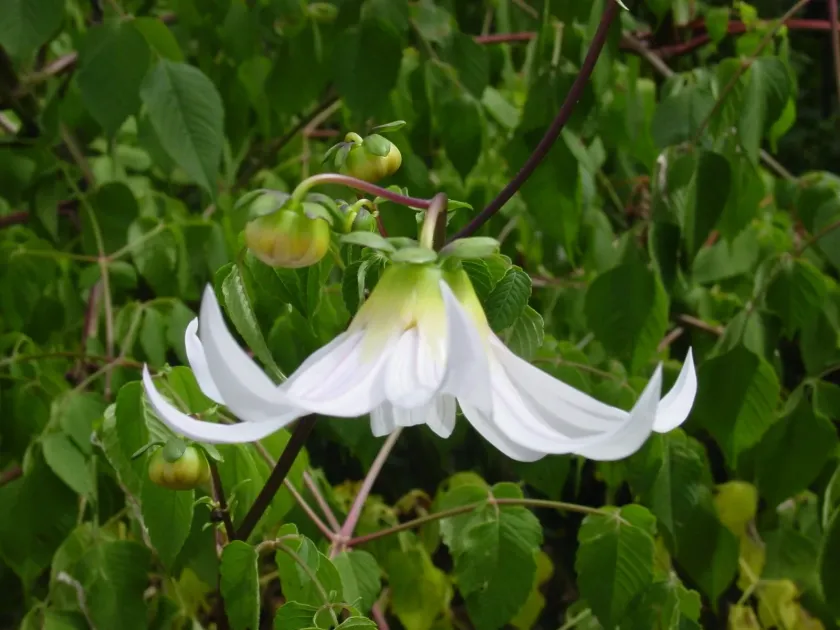
Dahlia campanulata, commonly known as the bell dahlia, is a distinct species belonging to the Asteraceae family. Unlike common garden varieties, this species offers unique morphological features that make it a subject of interest for botanists and collectors.
Propagation is typically achieved through seeds sown in early spring. The germination process requires a warm, stable environment with temperatures maintained between 18 and 22 degrees Celsius to ensure healthy sprout development.
For optimal results, use a well-draining, sterile seed-starting mix. Seeds should be sown at a shallow depth to ensure they receive sufficient light, which is crucial for triggering the germination phase.
Seedlings should be thinned or transplanted once they develop at least two pairs of true leaves. This spacing prevents overcrowding and encourages the development of a robust and healthy root system before field planting.
Acclimatization, or hardening off, is essential for these young plants. Gradually exposing them to outdoor conditions over 7–10 days ensures that they can withstand the environmental shifts once they are moved to the permanent garden bed.
Growing requirements
Native to the high-altitude regions of Mexico, this dahlia thrives in well-lit areas with plenty of direct sunlight. Providing at least 6–8 hours of sunlight daily is key to achieving optimal plant vigor and blooming density.
Soil structure is critical for this species; it requires loose, nutrient-rich, and highly permeable soil. Amending heavy clay soils with organic compost and sand is recommended to prevent root rot and enhance aeration.
Irrigation should be consistent, especially during the peak flowering stage. However, it is vital to avoid waterlogged conditions, as the tuberous roots are sensitive to anaerobic environments caused by poor drainage.
Nutritional management involves using balanced fertilizers. It is advisable to emphasize phosphorus and potassium during the growth cycle to support flower formation, rather than focusing on nitrogen, which promotes excess vegetative growth.
Temperature management is important for survival. In cooler climates, the tubers must be harvested after the first autumn frost, cleaned, and stored in a cool, dry, and dark location to ensure dormancy through the winter months.
Main diseases and pests
Aphids are a primary threat to the bell dahlia, often clustering on the soft stems and developing buds. Regular inspection and the use of insecticidal soaps can help manage these populations effectively.
Spider mites can be particularly troublesome during hot, dry summer months. These microscopic pests thrive in low-humidity conditions and can cause significant foliage damage if left unchecked.
Botrytis, or gray mold, is a common fungal disease that affects plants in areas with high humidity and stagnant air. Proper spacing and airflow are the best preventative measures against this pathogen.
Slugs and snails frequently feed on the young, tender leaves of the dahlia. Installing physical barriers or using organic bait can protect the plants from severe defoliation during the early stages of growth.
Maintaining a clean garden bed by removing weeds and plant debris is a foundational practice for preventing the establishment of pests and diseases, thereby ensuring the longevity of your dahlia planting.