
Crimson fountaingrass
Cenchrus advena (Wipff & Veldkamp) Morrone
Description
Sowing dates
Cenchrus advena is typically propagated by seeds or through division of mature clumps in the spring. When starting from seeds, use a light, well-draining seed-starting mix and maintain a temperature of approximately 21 to 24 degrees Celsius.
Seeds require light for germination and should be pressed firmly onto the surface of the soil without covering them too deeply. Keep the medium consistently moist but not waterlogged until sprouts appear.
Once seedlings have developed several true leaves, they should be transplanted into larger pots to encourage root growth. Acclimatize the young plants to outdoor conditions gradually over a period of two weeks before planting in the ground.
Planting in the garden should only occur when all danger of frost has passed, as the plant is sensitive to cold temperatures. Proper spacing of 60 to 90 centimeters allows the plant to reach its full aesthetic potential.
Clump division should be performed in early spring as new growth begins. Each segment needs a healthy section of rhizome and roots to establish successfully in its new location.
Growing requirements
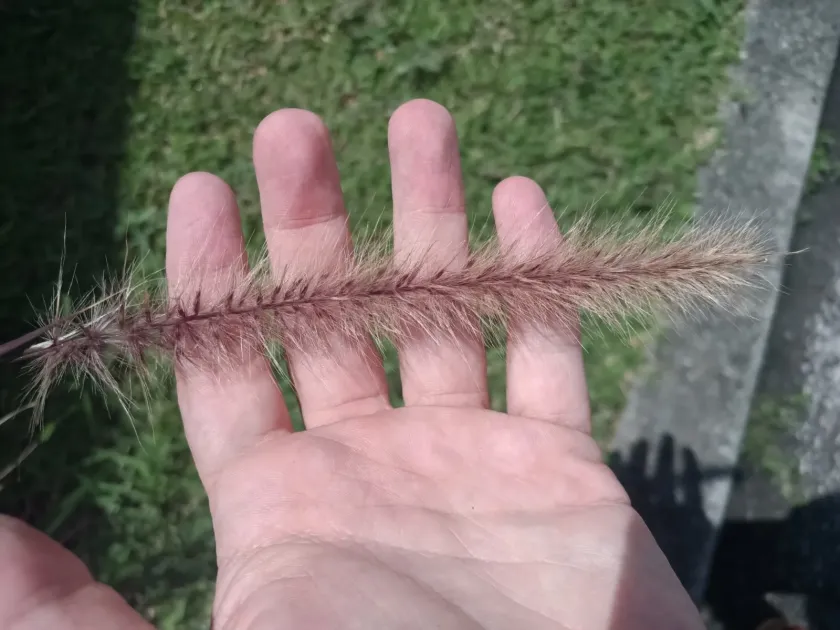
Crimson fountaingrass is a member of the Poaceae family, native to tropical Africa. It thrives in full sun, which is essential for developing its signature vibrant, plumy flower spikes and dark foliage color.
The plant performs best in moderately fertile, sandy or loamy soils that possess excellent drainage. While it is somewhat drought-tolerant once established, supplemental watering during dry spells will significantly improve performance.
In cooler climates, it is often treated as an annual or overwintered indoors in containers. It prefers zones 8 through 11 and can be severely damaged by temperatures dropping below freezing point.
Soil pH should ideally be neutral or slightly acidic. If the soil is heavy clay, amending it with organic matter and grit is necessary to prevent winter root rot and improve overall vigor.
Fertilization is generally light. A balanced slow-release fertilizer applied once in the spring is usually sufficient to support the plant throughout the growing season and promote continuous flowering.
Main diseases and pests
The primary threat to this species is crown rot, which often occurs if the soil remains wet for extended periods, especially during cooler nights. Improving soil structure is the best preventative measure.
Aphids can be a common nuisance, particularly on the tender new growth. They can be effectively managed with insecticidal soap or a strong jet of water to dislodge them from the foliage.
Spider mites may affect the plant during hot, dry summer months. Monitoring the undersides of leaves and maintaining adequate soil moisture can help keep these pests under control without heavy chemical use.
Rust diseases might appear on the leaves as reddish-brown pustules. Ensuring proper spacing between plants to allow for good airflow is critical in preventing the spread of fungal spores in humid climates.
Regular maintenance, including the removal of dead foliage, helps keep the plant healthy and reduces the risk of sheltering pests or pathogens throughout the winter months.