
Cenchrus longisetus
Cenchrus longisetus M. C. Johnst.
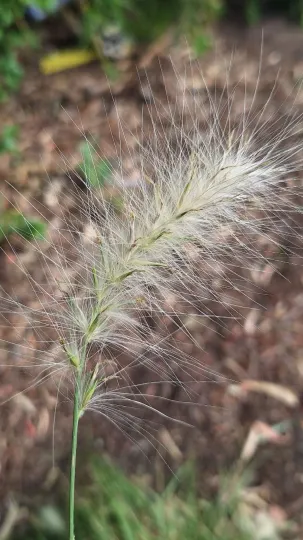
Description
Sowing dates
Cenchrus longisetus is typically established through seed sowing during the spring months when soil temperatures consistently rise. Planting in open ground should occur after the final frost, usually late April or May, to ensure successful germination and seedling establishment.
For more reliable results, professional growers often utilize the greenhouse seeding method. Seeds are sown into seedling trays in March, requiring supplementary lighting and controlled moisture levels to produce vigorous plants ready for transplanting into the field.
When selecting the timing for sowing, one must consider regional climate conditions. Because the species is frost-sensitive, young plants require a stable environment to develop a robust root system before being exposed to potentially harsh outdoor weather conditions.
Planting density is determined by the intended use of the grass, whether for landscape ornamentation or soil stabilization. A standard spacing of 30–40 cm between plants provides sufficient airflow, which is critical for reducing humidity-related diseases.
Proper soil preparation before seeding involves light tilling and the incorporation of balanced organic matter. This approach improves soil structure and nutrient availability, setting the stage for steady development of both the root system and foliage.
Growing requirements
Cenchrus longisetus is a member of the Poaceae family and thrives in well-lit, sunny environments. Exposure to direct sunlight is essential for the plant to achieve its full potential, including the development of its characteristic, attractive inflorescences.
The species prefers well-drained, fertile soils with a loose texture. It is highly intolerant of waterlogged conditions, making proper drainage design a prerequisite for successful cultivation, especially in areas with heavy or clay-rich soil profiles.
Soil pH should ideally be maintained in the slightly acidic to neutral range, specifically between 6.0 and 7.5. This chemical balance facilitates the efficient uptake of micro and macronutrients, promoting healthier plant growth and sustained vitality.
As a heat-loving plant, Cenchrus longisetus requires specific climate considerations. While it is a perennial in warmer regions, in cooler climates it must be managed as an annual or provided with heavy winter mulch to protect the roots from freezing.
Watering requirements remain moderate but must be consistent, particularly during the peak growing season. While established plants show some tolerance to short drought spells, regular moisture during the flowering phase is necessary to prevent stress.
Main diseases and pests
Fungal pathogens represent the primary biological threat to this species, particularly when high humidity levels are combined with poor ventilation. Root rots and damping-off can rapidly compromise the health of entire plots if preventive measures are ignored.
Foliar diseases, such as powdery mildew, often manifest in overcrowded plantings. These conditions are best managed by ensuring proper spacing between plants and applying systemic fungicides at the first sign of visible infection to maintain crop health.
Insect pests, including aphids and spider mites, frequently target the succulent parts of the grass. By feeding on cell sap, these pests weaken the plant and can cause significant damage to the visual quality of the inflorescences and foliage.
Integrated pest management involves regular field inspections and the use of insecticidal soap or targeted treatments when thresholds are exceeded. Keeping the area free of weeds and crop debris helps reduce the population of overwintering insects.
Proactive care, including the removal of dead plant tissue after winter, is essential for reducing the inoculum load of pathogens. Maintaining the overall vigor of the plants through proper nutrition and hydration remains the best defense against major threats.