
Pennisetum hybrid
Cenchrus advena (Wipff & Veldkamp) Morrone x C. elegans (Hassk.) Veldkamp
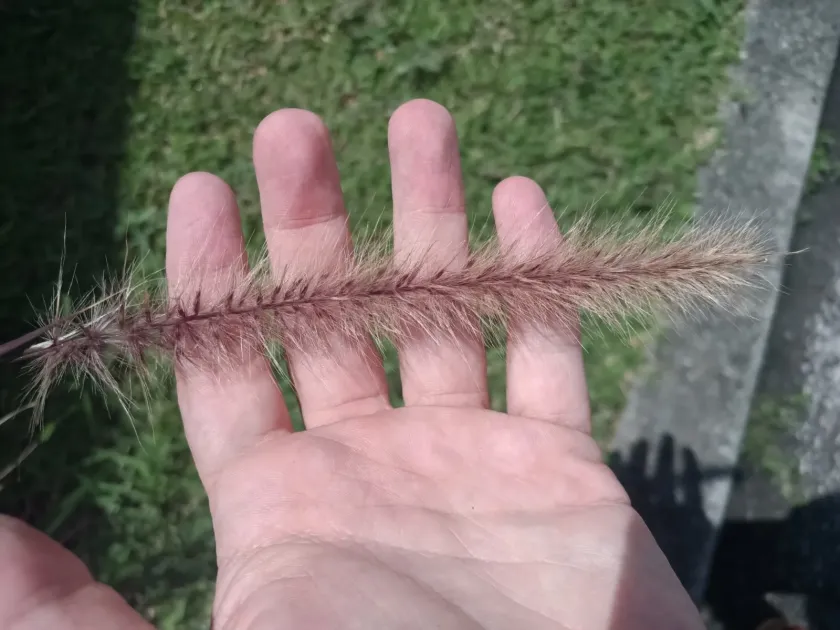
Description
Sowing dates
Propagation of Pennisetum hybrid is primarily achieved through division of established clumps, which ensures the consistency of the hybrid traits. The ideal time for division is in early spring, just as the plant begins its new growth cycle.
If starting from seeds, sow them in greenhouse trays during late winter. Surface-sow the seeds on a light, moist potting mix, as they require light for germination and should not be buried deeply.
Once seedlings emerge, provide consistent warmth and bright, indirect light. Harden off the plants gradually before transplanting them into their permanent outdoor location once the threat of frost has passed.
Select a location with well-draining soil and amend it with compost or organic matter to provide sufficient nutrients for the young plants. Ensure a spacing of at least 50 to 80 centimeters to allow for the plant's natural mature width.
Consistent moisture is vital immediately after planting to ensure the roots become established. A light layer of organic mulch can help retain soil moisture and reduce competition from surrounding weeds.
Growing requirements
Pennisetum hybrid belongs to the Poaceae family and thrives in warm climates. For optimal performance and flowering, it requires a full sun exposure, receiving at least six to eight hours of direct light per day.
The ideal soil conditions are loamy and well-drained. The plant is sensitive to "wet feet," meaning that waterlogged conditions during the dormant season can cause root rot and potentially kill the plant.
Although mature plants are somewhat drought-tolerant, they perform best with regular watering during the peak growing season. Consistent soil moisture ensures the production of their characteristic feathery plumes.
Climate tolerance varies, but most hybrids require winter protection in cooler regions. Covering the crown with dry straw or mulch helps insulate the root system against extreme temperature fluctuations.
Regular fertilization with a balanced, slow-release fertilizer in early spring promotes vigorous growth. Avoid excessive nitrogen late in the season to prevent weak, succulent growth that may not survive the winter.
Main diseases and pests
Pennisetum hybrids generally possess a robust constitution but can be susceptible to fungal issues if cultural conditions are not met. The most common cause of trouble is poor air circulation combined with high humidity.
Powdery mildew is a common fungal threat that appears as a white, dusty layer on the foliage. To manage this, ensure adequate spacing between plants and avoid overhead watering that keeps the leaves wet for extended periods.
Insects like aphids and spider mites may target the plant during hot, dry spells. These pests can be managed with insecticidal soaps or horticultural oils if the infestation is caught early.
Root-dwelling pests or larvae can occasionally damage the underground parts. Maintaining healthy soil biology and crop rotation or site sanitation helps mitigate these risks significantly.
Spring maintenance should involve cutting back the old foliage to near ground level before new growth begins. This simple practice removes potential habitats for pests and diseases and ensures a cleaner, more aesthetic growth cycle.