
Buffelgrass
Cenchrus ciliaris L.
Description
Sowing dates
Buffelgrass, botanically known as Cenchrus ciliaris and belonging to the Poaceae family, is a persistent perennial grass adapted to hot and dry environments. Sowing should be timed with the onset of favorable moisture, typically during the spring or at the beginning of the rainy season.
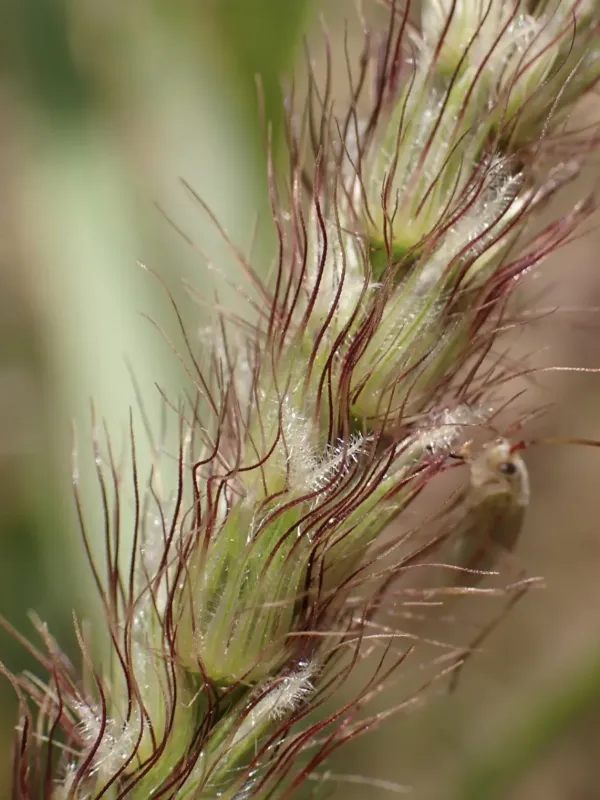
The seeds are small and encased in bristles, which requires shallow planting depths of approximately 1-2 centimeters. Achieving good soil-to-seed contact is critical for successful germination.
In semi-arid regions, the timing of sowing is vital. Producers often wait for significant rainfall to ensure the soil profile is moist enough to sustain the seedlings through their initial establishment phase.
Drilling or broadcast seeding methods can be used, with recommended seeding rates ranging between 3 to 6 kilograms per hectare, depending on seed purity and soil preparation.
Ensuring that the field is free from competitive weeds during the early stages of growth is essential, as buffelgrass seedlings are relatively slow to establish compared to some common annual weeds.
Growing requirements
This grass is widely recognized for its superior heat tolerance and ability to thrive in areas with very low annual rainfall. It is one of the most reliable options for pasture improvement in arid zones.
Buffelgrass prefers light-textured soils, specifically sandy or sandy-loam types. It struggles in heavy, poorly drained clay soils where moisture stagnation can lead to root decay.
One of its standout features is its high tolerance to saline conditions, allowing it to perform well on marginal lands where other forage crops would fail to survive.
The plant is obligately heliophilic. It requires full sunlight to maintain its vigor, nutritional quality, and high tiller density; shaded environments significantly reduce its productivity.
While adapted to nutrient-poor soils, the crop is highly responsive to nitrogen fertilization. Increased fertility results in significantly higher yields and improved crude protein content in the forage.
Yield
Yields of buffelgrass are highly dependent on rainfall distribution. In optimal growing conditions, it is capable of producing multiple cuts during a single vegetative season.
Average hay yields range between 5 to 8 tons per hectare, though productivity is naturally lower in extreme arid environments. Nevertheless, its reliability makes it a staple for livestock producers.
The nutritional value is greatest during the active growth phase, with crude protein levels ranging from 10% to 16%. As the plant matures, digestibility decreases, which is why timing is important.
It provides an excellent source of grazing biomass when other pastures are dormant due to extreme summer heat, serving as a critical forage reserve for livestock operations.
Rotational grazing systems work exceptionally well with buffelgrass, as it can recover rapidly after being grazed, provided that a sufficient rest period is allowed for root replenishment.
Main diseases and pests
The crop can be susceptible to fungal diseases such as rust and smut, particularly under conditions of high humidity or poor field drainage, which facilitate pathogen spread.
Insect pests, including various soil-dwelling larvae and foliage-feeding insects, may cause localized damage. Integrated pest management strategies are generally recommended to mitigate these issues.
Overgrazing remains the primary threat to the long-term sustainability of buffelgrass stands. Continuous intensive pressure can weaken root reserves and allow invasive weeds to invade.
In some geographical areas, the species is classified as an invasive weed because of its ability to displace native plant communities, requiring careful management near protected land.
Maintaining proper grazing density and observing recommended rest periods are the best defenses against pasture degradation and subsequent weed infestation.
Harvesting
Harvesting for hay should be performed before the plant reaches the seed-setting stage to ensure the highest crude protein content and overall forage digestibility.
Care must be taken during the curing process to avoid excessive leaf shattering, as the leaves contain the majority of the plant's nutritional value and are easily lost if handled roughly.
Seed harvesting is a delicate process because the seeds ripen unevenly and shatter easily. Harvesting should occur when the majority of the heads turn a straw color but before mass shattering occurs.
Post-harvest cleaning is necessary to remove the bristles and chaff from the seed, which improves flowability in seeding equipment for the subsequent season.
Storage of the finished hay must occur in dry, well-ventilated conditions, as buffelgrass is prone to mold development if moisture levels remain high during stacking.