
Purple cranesbill
Geranium x magnificum Hyl.
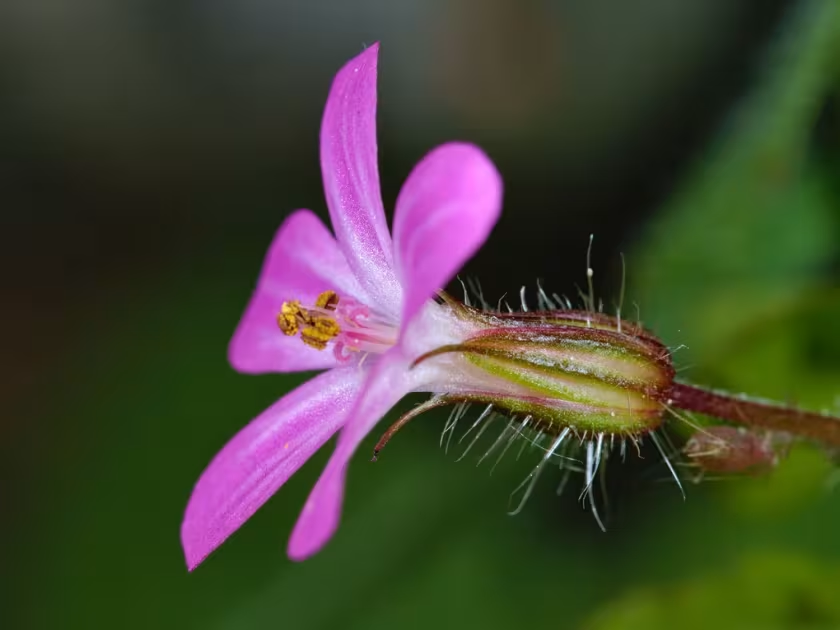
Description
Growing requirements
Purple cranesbill (Geranium x magnificum) is a popular herbaceous perennial belonging to the Geraniaceae family. It is a well-known hybrid species favored in landscaping for its prolific blooming and robust, low-maintenance nature.
The plant features a dense, clumping habit with deeply lobed leaves that often turn vibrant shades of red and orange in the autumn. It typically reaches a height of 60 to 70 centimeters, making it an excellent candidate for various garden designs.
This species thrives in full sun to partial shade, requiring fertile, well-drained soil to reach its full potential. It is adaptable to a variety of soil types, provided that they are not overly compacted or prone to waterlogging.
The cultural requirements are minimal, consisting primarily of regular watering during establishment and early spring cleanup of dead foliage. Once established, the plant shows remarkable resistance to drought and environmental stress.
Purple cranesbill is widely utilized in borders, ground covers, and perennial beds. Its ability to create dense foliage patches makes it an essential tool for weed suppression in public and private horticultural projects.
Main diseases and pests
Despite its hardy nature, the plant may be susceptible to fungal issues such as powdery mildew, especially in environments with poor air circulation or excessive moisture.
Implementing proper spacing between individual plants is the primary preventive measure against the development and spread of fungal pathogens during the growing season.
Pest threats include occasional infestations of aphids and spider mites, which feed on succulent plant tissues and can weaken the overall vitality of the clump.
Regular maintenance practices, including the removal of spent flower stalks, not only enhance the aesthetic appearance but also help in monitoring the health status of the planting.
When chemical intervention is necessary, the use of targeted fungicides or biological control agents is recommended to maintain a balance within the garden ecosystem.