
Water avens
Geum rivale L.
Description
Sowing dates
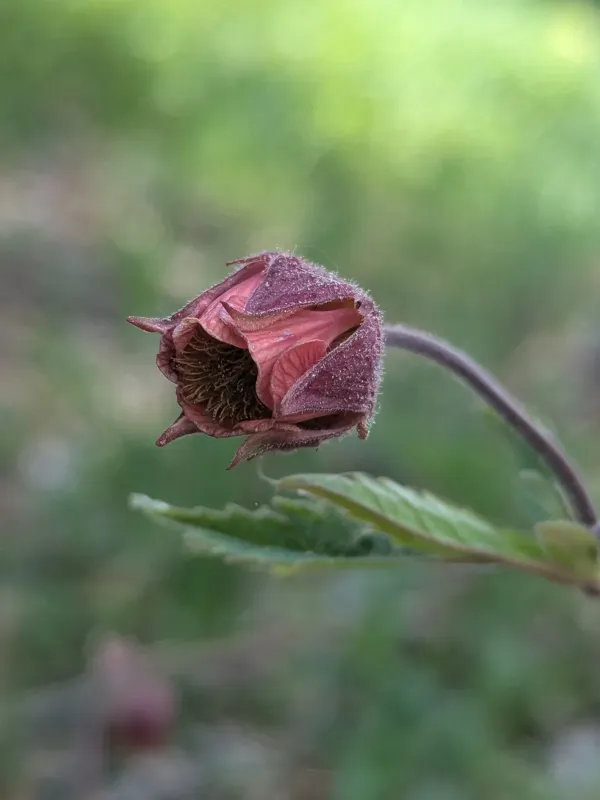
Water avens (Geum rivale L.) is a perennial herbaceous plant belonging to the Rosaceae family. It is widely recognized for its medicinal properties and its preference for wetland habitats.
Seeds should be sown in autumn to allow for natural stratification or in early spring after cold treatment. The seeds are very small and require light for optimal germination.
When starting seeds indoors, use a moist, peaty substrate. Keep the temperature around +18°C and ensure the surface does not dry out during the incubation period.
Vegetative propagation via root division is the most common method in commercial farming. It allows for the rapid establishment of uniform stands in favorable soil conditions.
Transplanting to the permanent site should be done in early summer. Ensure adequate spacing of 30 cm between plants to allow for proper airflow and root development.
Growing requirements
Water avens is a moisture-loving species that thrives in damp, boggy environments. It requires consistent soil moisture and is highly tolerant of waterlogged conditions.
The plant prefers rich, loamy soils with a near-neutral pH. High organic matter content is essential for supporting the vigorous growth of the rhizomatous root system.
While the plant is shade-tolerant, it produces the most foliage and flowers when planted in locations that receive dappled sunlight for at least half the day.
Regular fertilization with compost or balanced organic fertilizers during the active growth phase significantly improves root yield and overall plant vigor.
The plant is frost-hardy and can withstand severe winter conditions provided that the soil is not completely desiccated, making it suitable for temperate climates.
Yield
The primary agricultural interest in Geum rivale is the harvesting of its rhizomes, which contain significant amounts of tannins, eugenol, and essential oils.
The yield of dried rhizomes can range from 1,000 to 2,000 kilograms per hectare under intensive cultivation management and favorable soil fertility levels.
Apart from the roots, the aerial parts (leaves and stems) are harvested for their anti-inflammatory properties, providing a dual-purpose yield for medicinal producers.
The plant also serves as a high-quality nectar source, supporting local pollinator populations which can enhance the yield of surrounding agricultural crops.
As a sustainable crop, water avens is increasingly utilized in ecological restoration projects, offering both commercial returns and environmental benefits.
Main diseases and pests
Powdery mildew and leaf spot are the most frequent fungal threats. These are usually managed by ensuring adequate plant spacing and avoiding overhead irrigation.
Pests like aphids can infest the flower stems during the summer months. Integrated pest management using natural predators or neem-based oil is typically recommended.
Root rot can occur if the plant is grown in soil that lacks any drainage, despite its preference for moisture. Ensuring a balance between humidity and aeration is key.
Invasive weed species can outcompete water avens in its early growth stages, so manual weeding or mulching is required during the first season of establishment.
Regular monitoring for signs of stress is crucial, as the plant acts as an indicator species for soil moisture levels and can show immediate signs of drought stress.
Harvesting
The harvesting of rhizomes is best performed in the late autumn after the foliage has started to die back, ensuring the highest concentration of active compounds.
The harvested roots must be cleaned immediately to remove soil particles and then processed into smaller pieces to facilitate efficient drying without mold risk.
Drying is performed in controlled-temperature ovens at low heat (+35...+40°C) to preserve the delicate aromatic components of the essential oils.
Aerial parts are harvested when the plant is in full bloom. This requires clean cuts above the ground level to prevent damaging the root stock for the next year.
Once dried, the product should be stored in cool, dark, and dry conditions. Proper packaging is essential to avoid moisture absorption and loss of medicinal potency.