
Chilean avens
Geum quellyon Sweet
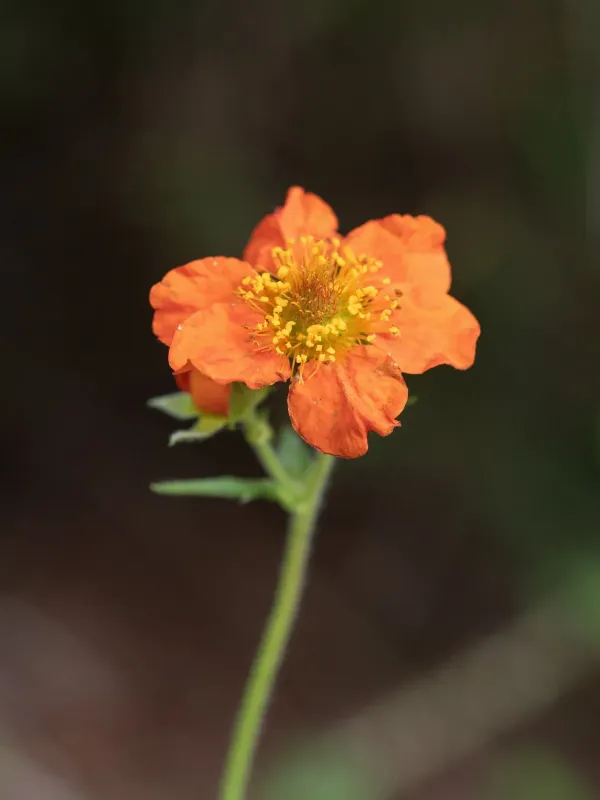
Description
Sowing dates
Sowing Chilean avens seeds in open ground is typically scheduled for spring, once the soil has warmed up, or in the late autumn, during October or November.
To achieve early flowering in the first year of the plant's life, a seedling method is practiced, where seeds are sown in trays or containers in March under greenhouse conditions.
Chilean avens seeds have a relatively long germination period, so it is recommended to perform stratification for 2–3 weeks at low temperatures before sowing.
The planting depth for seeds should be minimal, not exceeding 0.5–1 cm, as the seeds require sufficient light to germinate effectively.
Once seedlings reach the two-to-three true leaf stage, they should be pricked out to ensure each plant has enough space to develop a strong root system.
Growing requirements
Chilean avens, belonging to the Rosaceae family, has specific light requirements, preferring open, well-lit, sunny areas for optimal growth.
The plant demonstrates the best performance and brightness of flowers in fertile, well-drained loam, avoiding areas with water stagnation, which is detrimental to the roots.
Native to Chile, the species is heat-loving and requires protection from strong northern winds and harsh snowless winters using organic mulch or coverings.
Cultivation practices involve regular but moderate watering: excessive moisture promotes root rot, while prolonged drought reduces the plant's ornamental value and flowering period.
To maintain soil fertility, it is recommended to apply complex mineral fertilizers in early spring and phosphorus-potassium blends during the budding period.
Main diseases and pests
The primary threat to the crop is the development of fungal diseases, with root rot being the most dangerous, occurring mainly in over-moistened soil conditions.
Leaf infection by powdery mildew is frequently observed, especially in areas with high humidity and poor air circulation within dense plantings.
Among pests, common aphids are the most significant, as they feed on the sap of young shoots and buds, leading to deformation of plant structures.
During damp periods, plantations can suffer from slug and snail infestations, which actively damage the aerial vegetative mass of the plant.
Prevention includes strictly following planting spacing, timely weeding, and applying fungicides upon the first detection of fungal symptoms.
Harvesting
The economic use of Chilean avens is primarily concentrated in the ornamental sector, where it is cultivated for borders, garden beds, and rock gardens.
Harvesting for floral arrangements is carried out at the half-open bud stage, which ensures longer preservation of decorative qualities in a vase.
For seed production purposes, flower stalks are left on the plant until the seeds have fully matured, which typically occurs towards the end of summer or early autumn.
After collection, seeds must be carefully cleaned of debris and dried in well-ventilated rooms at temperatures not exceeding 25 degrees Celsius.
Plants also require autumn sanitary pruning: the aerial parts are cut back close to the ground, which facilitates successful rhizome overwintering and vigorous growth in the next season.