
Jankae avens
Geum x jankae Beck
Description
Growing requirements
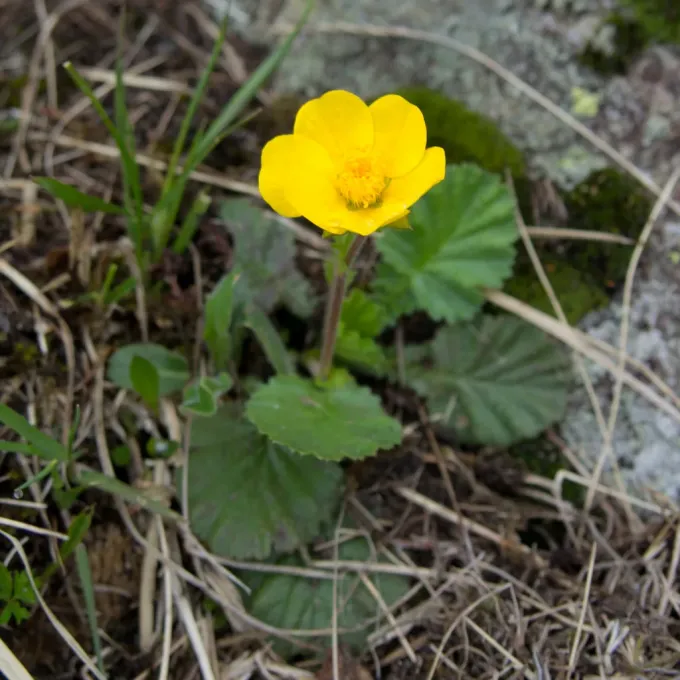
Jankae avens (Geum x jankae) is a perennial herbaceous plant belonging to the diverse Rosaceae family. This hybrid species is widely valued in horticulture for its vibrant blooms and compact, foliage-rich growth habit, making it a popular choice for rock gardens and perennial borders.
The plant originates from the mountainous regions of Southeastern Europe. Historically, it has evolved in alpine environments characterized by cool temperatures and rocky, well-drained slopes, which informs its preference for stable environmental conditions in cultivation.
Regarding soil requirements, Geum x jankae thrives best in moderately fertile, well-draining loams. It is essential to ensure that the site does not remain waterlogged, as stagnant moisture can cause root decay and compromise the health of the entire plant structure.
This species performs optimally in full sun to partial shade, depending on the intensity of the local summer heat. Adequate sunlight exposure is necessary to promote robust flowering, while afternoon shade can prevent leaf scorching in drier, warmer climates.
Basic maintenance includes deadheading faded flowers, which encourages a second flush of blooms later in the season. Propagation is typically achieved through division of established clumps in early spring or autumn, ensuring the longevity of the plant beds.
Main diseases and pests
While generally considered a hardy plant, Jankae avens is susceptible to certain biological threats if cultivated under unsuitable environmental parameters.
The most significant concern for growers is the onset of fungal pathogens, particularly root rot, which is triggered by excessive soil moisture and poor drainage.
Foliar diseases such as powdery mildew can also occur during humid and stagnant weather conditions, necessitating proper spacing between individual plants.
Pest pressures are relatively low, though aphids can occasionally infest new growth and flower buds, weakening the plant's overall vigor.
Regular inspection and integrated pest management (IPM) practices, including timely fungicide or insecticide application, effectively manage these risks during the active growing season.