
Hybrid avens
Geum quellyon Sweet x Geum rivale L.
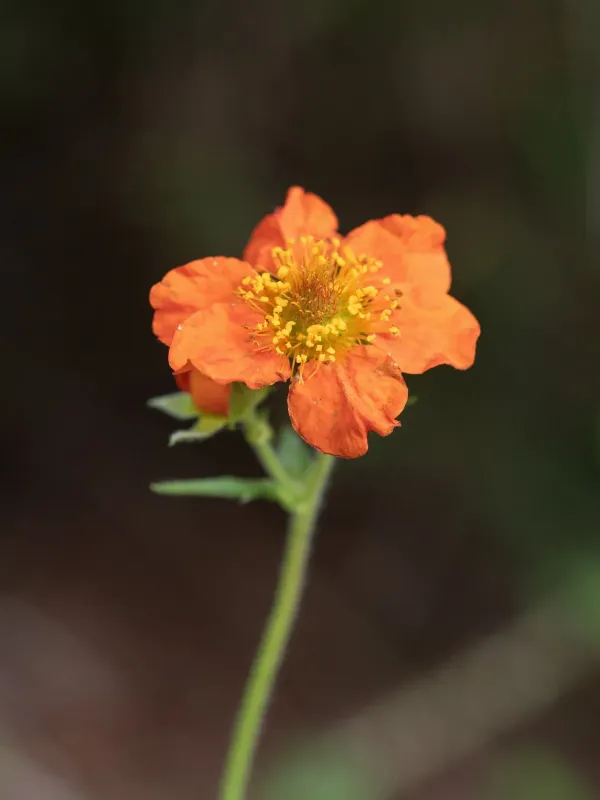
Description
Sowing dates
The sowing of hybrid avens is typically carried out in early spring or autumn. Seeds are placed into a well-drained substrate at a shallow depth of approximately 0.5 to 1 cm to ensure adequate light exposure for germination.
Seedlings should be pricked out when the first pair of true leaves appears. Transitioning to outdoor conditions requires hardening off to ensure the plants adapt to fluctuating environmental temperatures.
Spacing between plants should be maintained at 30–40 cm. This distance allows for optimal air circulation, which is essential for reducing the risk of fungal infections within the dense foliage of the plant.
Cold stratification is highly recommended for seeds before sowing. Exposing the seeds to temperatures between 2 and 5 degrees Celsius for several weeks significantly improves the overall germination rate.
Vegetative propagation via division is often preferred for hybrids to maintain specific desirable traits. The best time for this procedure is either early spring or late autumn when the plant is not in its active flowering phase.
Growing requirements
Hybrid avens belongs to the Rosaceae family and is a robust perennial. It thrives in locations that receive full sun, although it can tolerate partial shade in regions with particularly hot summer climates.
The soil must be fertile, moist, and well-drained. The species does not perform well in waterlogged soil, as this promotes root rot and reduces the plant's overall vigor and resistance to pathogens.
Watering requirements include maintaining consistent soil moisture, particularly during the blooming period. However, it is crucial to avoid overhead watering to keep foliage dry and prevent fungal outbreaks.
Fertilization should be applied at the start of the growing season using balanced NPK fertilizers. A secondary application can be beneficial after the first flush of flowers to encourage a second blooming cycle.
Winter maintenance involves cutting back the foliage to the base once the plant has entered dormancy. Adding a layer of organic mulch helps protect the crown from extreme frost in colder climates.
Main diseases and pests
Powdery mildew is a common threat, characterized by white fungal growth on the leaves. Increasing spacing and improving air circulation are primary preventative measures against this pathogen.
Root rot is often associated with poor soil drainage. Managing soil moisture levels and ensuring that the planting site is elevated or properly drained is essential for plant longevity.
Aphids are the most frequent insect pests, often congregating on the tender flower stems. Effective control can be achieved through the application of insecticidal soaps or specific horticultural oils.
Leaf miners can occasionally infest the foliage, leaving visible tracks. Hand-picking affected leaves is usually sufficient for small-scale infestations, while systemic treatments may be needed for larger ones.
- Maintain a regular monitoring schedule for early pest detection.
- Sanitize tools before pruning to prevent cross-contamination.
- Remove infected plant debris promptly to reduce the fungal spore load.