
Wood avens
Geum urbanum L.
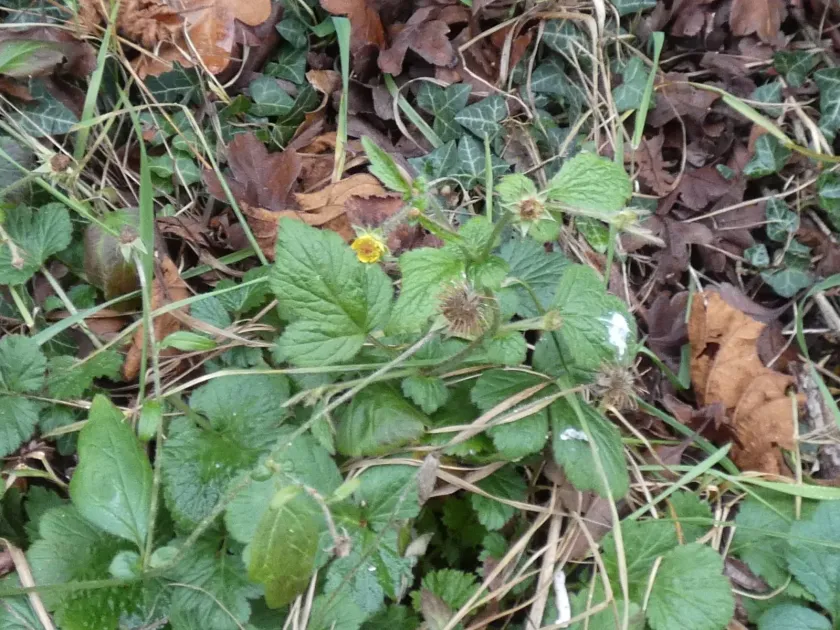
Description
Sowing dates
Wood avens is propagated primarily by seeds or by rhizome division. For sowing, seeds should be planted in late autumn to allow for natural stratification or in early spring after chilling.
The seeds are small and should be sown shallowly, just below the soil surface, to receive the light necessary for germination. Maintaining consistent soil moisture is crucial during the emergence phase.
When starting indoors, use a well-draining soil mix and provide adequate light. Once seedlings reach a height of 5-10 centimeters, they can be hardened off and transplanted to the field.
Division is performed in early spring or autumn. Mature clumps are dug up, split into sections with healthy buds, and replanted immediately to prevent desiccation of the roots.
Proper spacing of 30 to 40 centimeters between plants ensures good air circulation and reduces the risk of competitive stress among the growing crop.
Growing requirements
Geum urbanum is a perennial herb belonging to the Rosaceae family. It is naturally adapted to forest edges, scrublands, and shaded areas, reflecting its preference for similar environments in cultivation.
The crop requires fertile, humus-rich soil with a neutral to slightly acidic pH. While it is versatile, it performs best in well-drained loams that maintain moisture without becoming waterlogged.
Though tolerant of shade, the plant exhibits more vigorous growth and greater rhizome biomass in partial shade compared to full sun or deep darkness.
It is highly winter-hardy and survives harsh temperatures without the need for protective covers, making it a reliable crop for temperate climate zones.
Regular irrigation during the growing season is necessary, especially during dry spells, to support the development of its substantial root system.
Yield
The agricultural value of wood avens is primarily found in its rhizomes, which are rich in tannins and aromatic oils, specifically eugenol, giving them a clove-like scent.
Yield depends significantly on the crop age. A two-to-three-year cycle is optimal for harvesting the highest concentration of active compounds in the roots.
With proper soil fertility management and weed control, wood avens produces a reliable volume of dried root material suitable for medicinal or cosmetic industries.
Regular thinning and the removal of excessive flower stalks can shift the plant's energy allocation toward vegetative root growth, effectively increasing total yield.
Quality control during drying is essential to maintain the aromatic profile, as high heat or improper storage conditions can degrade the essential oils.
Main diseases and pests
Wood avens is generally robust but can suffer from root rot if drainage is poor. Ensuring a porous soil structure is the best preventative measure against this pathology.
Slugs and snails can be problematic in damp conditions, often feeding on the young foliage. Barriers or biological control methods are typically used to mitigate this damage.
Fungal spot diseases may appear on leaves if the plants are overcrowded or if the canopy remains wet for extended periods, reducing the photosynthetic efficiency.
Monitoring the fields for pests during early spring is vital, as this is when the succulent young growth is most vulnerable to insect feeding.
Integrated pest management, including crop rotation and field sanitation, provides a stable environment for healthy plant development.
Harvesting
Harvesting is ideally performed in the autumn when the plant has entered dormancy and the concentration of secondary metabolites in the roots is at its peak.
Using mechanical diggers or forks allows for efficient root extraction while minimizing damage to the structure of the rhizomes.
Post-harvest processing involves washing the roots in cool water to remove all soil particles, followed by the removal of any diseased or decayed segments.
The roots should be sliced into smaller pieces to facilitate even and rapid drying. Drying should occur in a shaded, well-ventilated area or a temperature-controlled drier.
Properly processed rhizomes are stable and retain their potency when stored in sealed, moisture-proof containers in a cool, dark environment.