
Intermediate Avens
Geum x intermedium Ehrh.
Description
Sowing dates
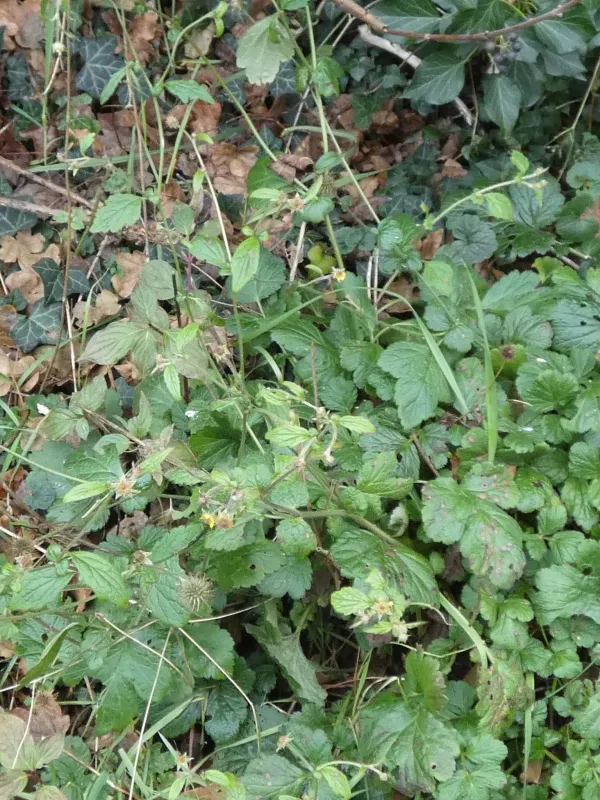
Geum x intermedium, commonly known as Intermediate Avens, is a natural hybrid belonging to the Rosaceae family. It is a perennial herbaceous plant valued in horticulture for its vibrant blooms and ability to thrive in temperate climates.
Seed propagation is best achieved through fall sowing, allowing for a natural cold stratification process. This ensures that the seeds break dormancy correctly when temperatures rise in spring.
For those opting for spring sowing, seeds must be stratified artificially in a refrigerated environment (2–5°C) for at least six weeks prior to planting in well-prepared seed trays.
Vegetative propagation via division is the most efficient method for maintaining parental traits. Division should be performed on healthy, mature clumps every 3–4 years to ensure plant vigor.
When transplanting seedlings, it is important to handle the root system with care to prevent shock. Spacing should be approximately 30–45 cm to allow for adequate airflow and plant expansion.
Growing requirements
Intermediate Avens thrives in sunny locations but can tolerate partial shade, particularly in regions with very hot summer afternoons. Adequate light is essential for robust stem development.
The soil should be rich in organic matter, slightly moist, and well-drained. While the plant appreciates consistent moisture, it is susceptible to root rot if placed in waterlogged soil conditions.
Fertilization with a balanced NPK fertilizer in the early spring encourages vigorous growth. Avoid excessive nitrogen, which can lead to lush foliage at the expense of flower production.
Maintenance tasks include the removal of spent flower stalks. This practice not only keeps the plant looking tidy but also prevents the plant from wasting energy on seed pod development.
The plant is hardy in most temperate zones, but adding a thin layer of mulch in late fall can protect the crowns from extreme temperature fluctuations during winter months.
Main diseases and pests
Powdery mildew is the primary disease affecting this species, characterized by a dusty white coating on leaves. It is often triggered by high humidity and poor air circulation within the canopy.
Root rot, specifically caused by fungi in the Phytophthora genus, can occur in poorly drained soil. Early symptoms include wilting despite moist soil, followed by browning of the base.
Aphids are the most common insect pest, tending to infest tender young shoots and flower buds. They can be managed with insecticidal soaps or by encouraging natural predators like ladybugs.
Slugs and snails can cause significant damage to the lush basal foliage, especially in spring. Protective barriers or organic bait can be used to mitigate these risks in damp garden environments.
- Maintain appropriate spacing to promote good air circulation.
- Use drip irrigation to keep the foliage dry and reduce fungal spore spread.
- Monitor for early signs of pests, particularly during the rapid growth phase in late spring.