
Geum ternatum
Geum ternatum (Stephan) Smedmark
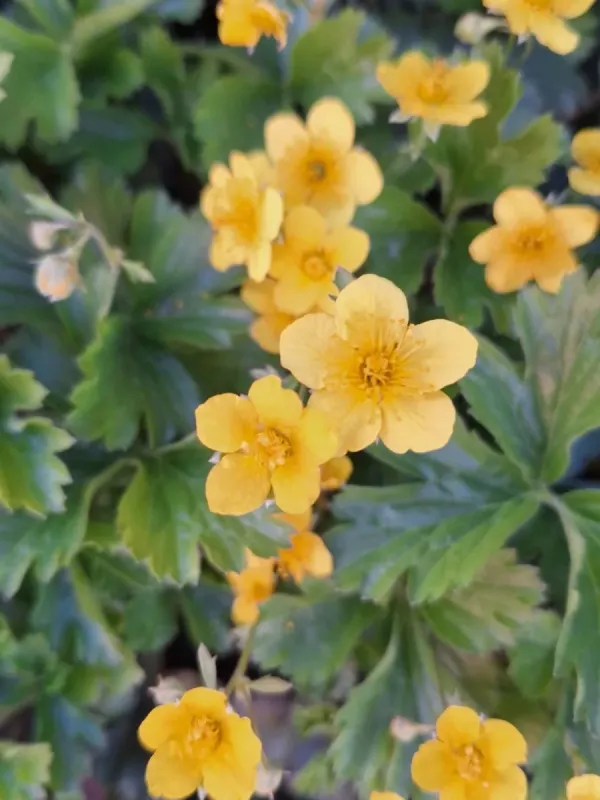
Description
Growing requirements
Geum ternatum is a perennial herbaceous plant belonging to the Rosaceae family. Native to various mountainous and forest regions across Eurasia, it has adapted to diverse soil conditions and is recognized for its robust perennial root system.
The plant thrives in cool, temperate climates, displaying significant hardiness. It prefers well-drained, fertile soil, ideally with a slightly acidic to neutral pH. Excessive soil moisture, especially during winter dormancy, can be detrimental to its root health.
In terms of agricultural practice, light and consistent aeration are essential. The crop benefits from well-structured soil that allows for efficient drainage while retaining necessary nutrients. Cultivation sites should be selected based on moisture availability and wind protection.
Nutrient management typically involves the application of organic matter during soil preparation, supplemented by mineral fertilizers during the peak growing phase. Regular weeding is mandatory to prevent competition for resources, as the crop establishes slowly.
Economically, Geum ternatum is utilized primarily for its bioactive compounds, which are extracted from the rhizomes. These extracts are increasingly investigated for medicinal applications, while the plant itself remains a subject of interest in ecological restoration and gardening.
Main diseases and pests
The primary pathological threats include fungal infections such as powdery mildew and root rot, which are often triggered by improper moisture management. Maintaining optimal spacing between plants is a critical strategy to enhance airflow and reduce humidity levels.
Insect pests including aphids and various leaf-chewing larvae can impact productivity by damaging foliage. Integrated pest management (IPM) techniques, including careful monitoring and targeted biological controls, are recommended to preserve the integrity of the crop throughout the season.