
Geum coccineum
Geum coccineum Sm.
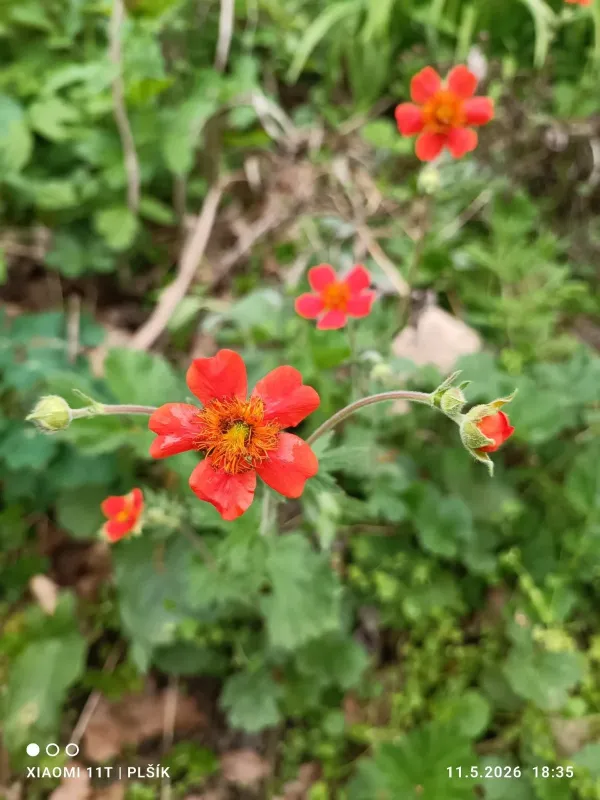
Description
Sowing dates
Sowing Geum coccineum, commonly known as scarlet avens, is ideally performed by seeds either in late autumn for natural stratification or in early spring indoors. Cold stratification for 4-6 weeks at temperatures between 0 and 5 degrees Celsius is crucial for breaking seed dormancy.
When starting indoors, use a well-draining seed-starting mix. Seeds should be surface-sown as they require light for germination; lightly press them into the substrate without burying them too deeply. Keep the container covered with clear plastic to maintain humidity until germination occurs.
Transplanting seedlings to the garden site should happen after the danger of frost has passed. Space individual plants at least 30-40 cm apart to allow for mature spread and to facilitate air circulation, which is vital for preventing foliage diseases later in the season.
Division is another propagation method performed in early spring or late summer. Dig up a mature clump and carefully separate it into smaller, healthy sections, ensuring each has a portion of the root system and active growth buds to ensure successful establishment.
Newly divided plants require consistent moisture in the first few weeks after planting. Proper care at this stage promotes root regeneration, allowing the perennial to settle into the soil and prepare for a healthy growing season ahead.
Growing requirements
As a member of the Rosaceae family, Geum coccineum thrives in full sun but can tolerate partial shade in hotter climates. Adequate sunlight is essential for maintaining the plant’s vibrant scarlet floral color and compact, tidy growth habit.
The species demands a fertile, well-draining soil with a near-neutral pH level. It performs poorly in heavy, clay-based soils that retain too much water, as stagnant moisture can cause the crown and root system to rot within a single season.
Regular watering is necessary to keep the soil consistently moist but never waterlogged. During dry spells, provide deep, thorough irrigation rather than frequent light surface watering to encourage deeper root growth and better drought tolerance.
Applying balanced fertilizers in early spring helps boost vegetative development. A second application after the first main flush of flowers encourages the plant to maintain its health and potentially produce secondary blooms, extending the visual appeal of the garden.
Winter care involves a light layer of mulch around the base in colder regions. While the plant is generally winter-hardy, this additional protection buffers the root zone against extreme temperature fluctuations and frost heaving.
Main diseases and pests
Powdery mildew is the most common disease affecting Geum coccineum, especially in environments with poor air circulation or high humidity. It manifests as a white, dusty layer on the leaves, which can reduce the plant's overall vigor.
Leaf spot infections can also occur, leading to unsightly blemishes and premature leaf drop. Removing infected foliage and improving the spacing between plants are effective cultural practices for minimizing the spread of these fungal issues.
Common pests include aphids and leafhoppers, which extract sap from new growth and flower buds. These insects can cause leaf curling and stunted development, requiring timely intervention with insecticidal soaps or systemic treatments if the infestation is severe.
Root rot is often the result of improper drainage or overwatering. Once established, this condition is difficult to treat, making preventative soil management and proper site selection the most effective tools for maintaining a healthy and long-lived stand.
Monitoring the garden regularly allows for early detection of potential threats. By maintaining a clean, well-drained growing environment, the grower significantly reduces the reliance on chemical controls and fosters a more resilient and attractive floral display.