
Geum coccineum
Geum coccineum Sm. x Geum quellyon Sweet
Description
Sowing dates
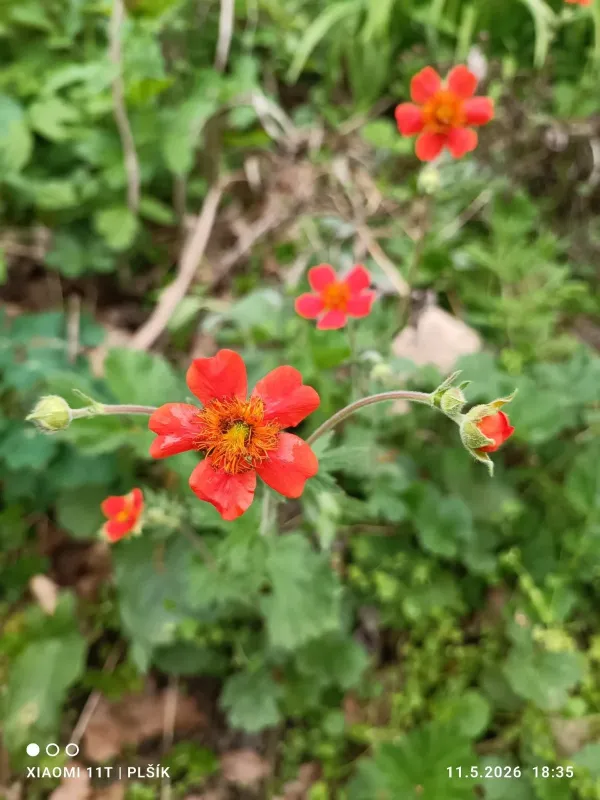
Geum coccineum is a perennial herbaceous plant belonging to the Rosaceae family. It is widely cultivated for its vibrant orange-red flowers and its compact growth habit, making it an excellent addition to herbaceous borders.
Propagation is typically done through seeds or by division of mature clumps. Seeds should be sown in early spring or autumn. When starting indoors, use a well-draining seed-starting mix and maintain a temperature of 18-20 degrees Celsius.
Division is the most reliable method for propagating established cultivars. Dig up the plant in early spring or autumn, carefully separate the root clumps, and replant immediately into prepared soil.
When transplanting young plants into the garden, ensure a spacing of approximately 30 to 40 cm between specimens to allow for proper air circulation and leaf development.
Early-stage growth requires consistent moisture to establish root systems. Once established, the plants become more resilient to moderate dry spells.
Growing requirements
The plant thrives in full sun but tolerates partial shade in warmer climates. Sufficient sunlight is crucial for the development of the characteristic vivid color of its blooms.
Soil should be fertile, well-draining, and rich in organic matter. Heavy or waterlogged soil will cause root rot, making the addition of sand or gravel for drainage essential in clay-based gardens.
Regular watering is necessary during the blooming season, especially if rainfall is sparse. Avoid overhead watering to reduce the risk of fungal infections on the foliage.
Fertilizing with a balanced liquid fertilizer during the active growing season will support continuous blooming. A light layer of compost added to the base in early spring provides a sufficient nutrient boost.
The plant is hardy in most temperate climates. In areas with harsh winters, a layer of mulch around the crown of the plant helps protect it from freezing temperatures and frost heaving.
Main diseases and pests
Root rot is the most common issue, typically caused by poor soil drainage. If the soil remains saturated for too long, the root crown will decay, leading to the collapse of the plant.
Powdery mildew can affect the foliage during periods of high humidity and poor air circulation. It manifests as a white, powdery coating on the leaves and stems.
Aphids can infest the flower buds and young shoots, sucking sap and weakening the plant. Frequent inspection of the underside of leaves can help detect early infestations.
Spider mites may occur during hot and dry conditions, causing leaves to become mottled and discolored. Maintaining plant health through proper watering helps mitigate this risk.
- Regular inspection for pests and signs of disease.
- Removing dead or infected leaves to improve air circulation.
- Using appropriate fungicides for persistent fungal outbreaks.