
Prasium
Prasium
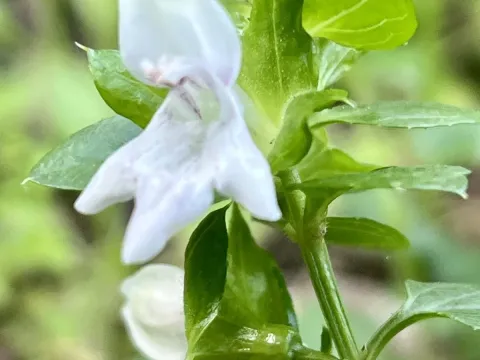
Prasium, scientifically known as Prasium majus, is a distinctive monotypic genus within the Lamiaceae family. This evergreen shrubby plant is known for its architectural form, consisting of dark green, ovate leaves and small, white, tubular flowers that bloom in clusters.
What the section contains

Prasium
Originating from the Mediterranean Basin, this species is well-adapted to the specific environmental pressures of its native habitat. It thrives in open, sunny locations and is often found on rocky outcrops, scrublands, and coastal cliffs where other vegetation might struggle.
The climate requirements for successful growth include mild winters and warm, dry summers. While it can withstand occasional frost, it is not considered fully hardy in climates with prolonged periods of sub-zero temperatures, thus necessitating protection in colder regions.
The ideal soil for Prasium must be free-draining and slightly alkaline or neutral. The plant performs best in sandy or gravelly soil mixtures that mimic the drainage conditions of its wild Mediterranean environment, preventing the saturation of the root zone.
Agricultural management is primarily focused on light pruning after the flowering season to maintain the plant's shape and density. Minimal fertilization is required, as the species is adapted to thrive in nutrient-poor environments, making it a low-maintenance choice.
Prasium is generally robust, but it can be susceptible to fungal diseases such as root rot if the growing medium remains waterlogged for extended periods. Proper site selection and drainage are the primary preventative measures against these issues.
Aphids and spider mites are the most common pests encountered during periods of high heat and low humidity. These pests can cause leaf curling and decreased plant vigor if their populations are not monitored and managed early.
Powdery mildew may occur if air circulation is inadequate. Ensuring that plants are spaced appropriately and avoiding overhead watering can significantly reduce the risk of this common fungal infection spreading across the plantation.
Integrated pest management is recommended for this crop. Utilizing horticultural oils or insecticidal soaps can be effective for managing minor infestations without harming the plant's natural balance or local beneficial insects.
Regular monitoring of the foliage and stems is the most effective way to manage threats. Early identification of symptoms allows for targeted treatments and ensures the long-term health and productivity of the crop.