
Prasium majus
Prasium majus
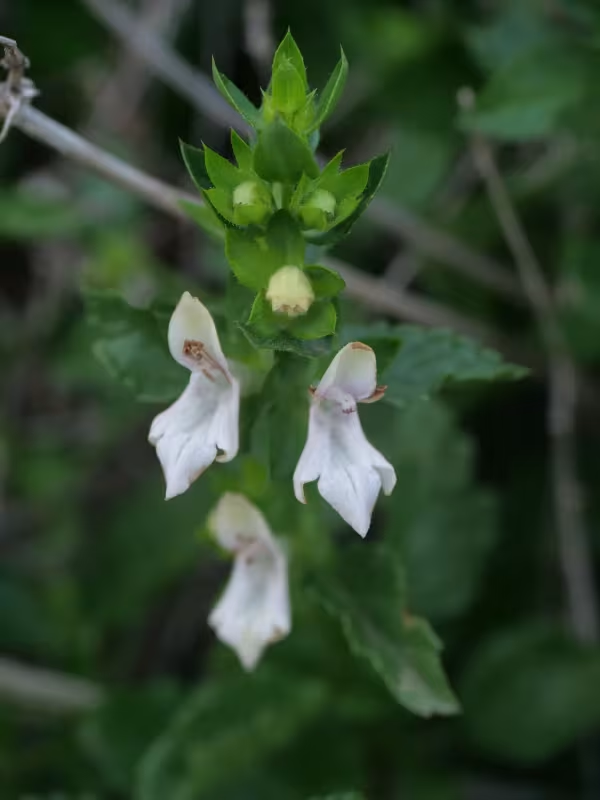
Description
Sowing dates
Prasium majus is a perennial evergreen subshrub belonging to the Lamiaceae family. In the wild, it reproduces primarily through seeds that naturally disperse at the end of the summer season.
When cultivating this plant in home gardens or specialized areas, it is recommended to sow seeds in prepared soil before winter to ensure natural stratification occurs.
Spring sowing requires pre-treatment of the seeds, as the outer coat possesses moderate hardness and needs adequate moisture to facilitate germination.
The optimal planting depth for seeds is 0.5 to 1 centimeter in light, well-drained soil, which provides the best conditions for sprout development.
Once the seedlings reach the two-to-three true leaf stage, thinning or transplanting should be performed, maintaining a spacing of 30 to 40 centimeters between individual plants.
Growing requirements
As a typical Mediterranean flora species, this plant prefers well-lit, open locations that receive direct sunlight throughout the day.
Prasium majus is highly demanding regarding soil drainage, as standing water in the root system during winter months often results in the death of the shrub.
The plant thrives on rocky, calcareous, and sandy loam soils, exhibiting significant resilience during periods of seasonal drought.
Substrate pH levels should range from neutral to slightly alkaline, which are considered optimal for the healthy growth and development of this species.
It possesses moderate cold tolerance and requires protection from harsh northern winds and soil freezing during temperatures dropping below -10 degrees Celsius.
Yield
The commercial use of Prasium majus is primarily focused on its decorative and aromatic qualities rather than large-scale biomass production.
The yield of green biomass depends significantly on the regularity of pruning, which stimulates bushiness and the growth of new shoots during the vegetation season.
In commercial cultivation for floristry or landscape design, pruning is typically performed twice: in spring to shape the crown and in autumn before the dormancy period.
Seed harvesting is performed manually once full technical maturity is reached, which usually occurs in August when the inflorescences take on a brownish hue.
The total productivity of a single bush is approximately 200 to 400 grams of dry biomass, which is suitable for use in floral compositions or dried herb displays.
Main diseases and pests
The plant exhibits high natural resistance to diseases due to the presence of essential oils within its tissues, which effectively repels many common pests.
Root rot represents the primary danger, occurring exclusively when agricultural practices are neglected or if soil remains waterlogged during rainy weather.
Occasionally, evidence of aphids or spider mites may appear on the leaves, particularly during periods of anomalously hot and dry summer climates.
For pest control in private garden settings, it is recommended to use eco-friendly preparations based on insecticidal soaps or herbal decoctions.
Disease prevention relies on maintaining a proper watering regime, avoiding overcrowded planting conditions, and ensuring high-quality aeration around the bushes.
Harvesting
The harvesting of the plant's aerial parts for aromatic purposes is conducted during the active flowering period, when the concentration of essential oils reaches its peak.
Young shoots and inflorescences are cut, tied into small bundles, and dried in shaded, well-ventilated areas to preserve the quality of the raw material.
Harvesting should be avoided immediately after rain or irrigation, as excess moisture in the plant tissues slows down the drying process and promotes mold growth.
When used for landscape design, pruning occurs at the end of summer to provide the shrub with a compact shape and prepare it for the winter dormancy period.
Collected raw material should be stored in airtight paper or cloth bags to ensure the unique, specific aroma of the leaves is preserved for as long as possible.