
Weyrich knotweed
Polygonum weyrichii F. Schmidt ex Maxim.
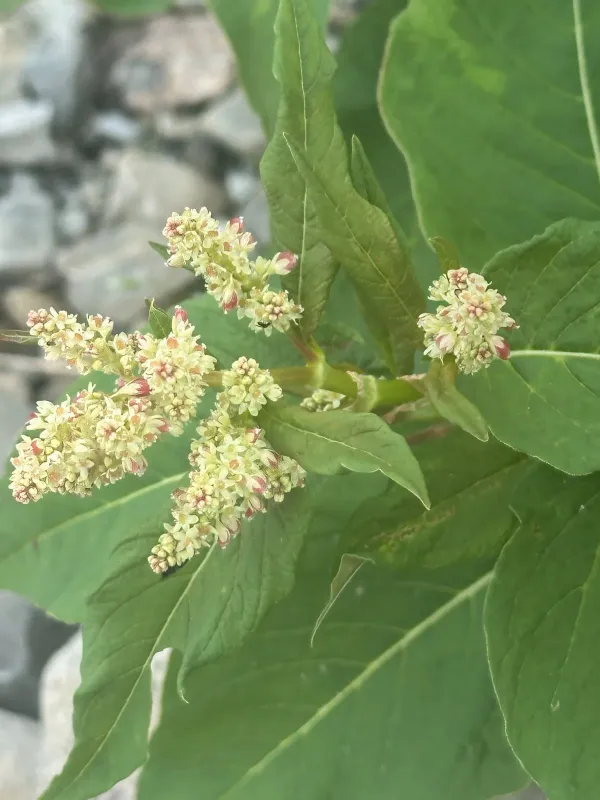
Description
Sowing dates
Sowing of Weyrich knotweed is typically performed in early spring when soil moisture is at its peak. The seeds should be planted in rows spaced 60 to 70 centimeters apart, allowing sufficient room for mechanical cultivation and proper air circulation around the plants.
Seeds are placed at a shallow depth of 2-3 centimeters. Firming the soil after planting is essential to ensure adequate capillary water movement, which significantly increases germination rates in this relatively small-seeded perennial.
In the first year, the crop focuses on establishing its root system and producing a low-lying rosette of leaves. Because of this slow start, it is critical to keep the field free of invasive weeds during the establishment phase, as the plants are not yet competitive enough to shade out other species.
The recommended seeding rate is approximately 10 kilograms per hectare. Using high-quality, viable seeds is key to achieving a uniform stand, which provides the foundation for decades of productive forage harvesting from a single planting.
By the second year, the root system is well-established, and the crop begins to show its signature aggressive growth pattern. Once this stage is reached, the plants become highly competitive and require minimal maintenance beyond routine soil loosening.
Growing requirements
Weyrich knotweed is an exceptionally hardy perennial that thrives in temperate climates. It is highly valued for its winter hardiness, as its deep, robust rhizomes are well-protected from freezing temperatures and frost-heave damage.
The plant prefers fertile, well-drained loam or clay-loam soils with sufficient moisture retention. While it is adaptable to various soil types, it performs poorly in waterlogged conditions, which can lead to root decay and decreased yields.
As a sun-loving species, this crop requires open, well-illuminated fields to reach its maximum productivity. Shading or excessive tree cover will significantly limit biomass production and reduce the nutritional quality of the forage.
Nutrient management is essential, especially nitrogen and phosphorus applications, to sustain high growth rates after each harvest. A balanced fertilization program is the primary driver of consistent biomass production throughout the growing season.
Maintaining soil structure is crucial; avoid heavy machinery passes on wet ground to prevent compaction. Proper aeration allows the complex root network to access both oxygen and moisture efficiently, ensuring the longevity of the forage plantation.
Yield
Weyrich knotweed is renowned for its high biomass production, often delivering superior yields compared to conventional hay grasses. Under optimal management, the crop can be harvested two to three times per season.
Yields peak once the plant has fully established, usually from the second year onwards. This productivity is sustained for many years, making it an economically viable choice for farmers looking to stabilize their forage production cycle.
The nutritional composition of the green mass, characterized by good protein and vitamin levels, makes it highly suitable for silage and green fodder. It provides a reliable energy source for livestock when harvested at the right phenological stage.
By consistently harvesting before the stems become overly lignified, farmers can maintain high forage quality throughout the season. Proper timing ensures that the nutritional content is preserved and that the animals find the fodder highly palatable.
The consistency of the annual harvest allows for precise planning of silage stocks. With each hectare potentially producing significant tonnage, the crop remains a pillar of reliable agricultural forage production systems.
Main diseases and pests
One of the primary agronomic advantages of Weyrich knotweed is its natural resilience against pests and diseases. Most common crop pathogens fail to establish on this plant, which significantly reduces the need for chemical treatments.
Although rare, leaf spots can occur under conditions of extreme humidity or poor airflow. This is easily managed by selecting well-drained fields and ensuring appropriate plant spacing to prevent excessive microclimate humidity.
The plant’s inherent chemical composition, which includes tannins, serves as a natural deterrent against many insects. Consequently, the crop is exceptionally well-suited for low-input or organic farming practices, where pesticide use is restricted.
The main potential threat is root suffocation caused by waterlogging. Protecting the drainage profile of the field is the most effective way to maintain the health and vigor of the root system over the long term.
Competition from weeds is generally non-existent after the first year. The plant’s dense growth habit effectively suppresses the germination and development of other plant species, ensuring a clean and productive stand without the need for herbicides.
Harvesting
The ideal time to harvest Weyrich knotweed is during the early bud formation stage. Harvesting at this point ensures the highest concentration of digestible proteins and prevents the accumulation of excess fiber that occurs as the plant matures.
When cutting the crop, it is important to leave a stubble height of at least 10-12 centimeters. This prevents damage to the crown and buds, which are essential for the plant to regenerate growth quickly for subsequent harvests.
The harvested mass should be processed immediately. Because of the plant's succulent nature, it ensiles well, provided it is chopped to the correct length and compacted sufficiently to exclude oxygen and promote healthy fermentation.
Timing the final harvest of the season is critical to allow the plant to store adequate carbohydrates in its rhizomes before winter. This energy reserve is vital for the plant to survive the dormant period and emerge vigorously in the spring.
Efficient management of machinery during the peak growth period is essential for successful harvest. Since the plant grows rapidly, a structured harvesting schedule prevents delays and ensures the entire crop is collected at the peak of its nutritional quality.