
Polygonum divaricatum
Polygonum divaricatum L.
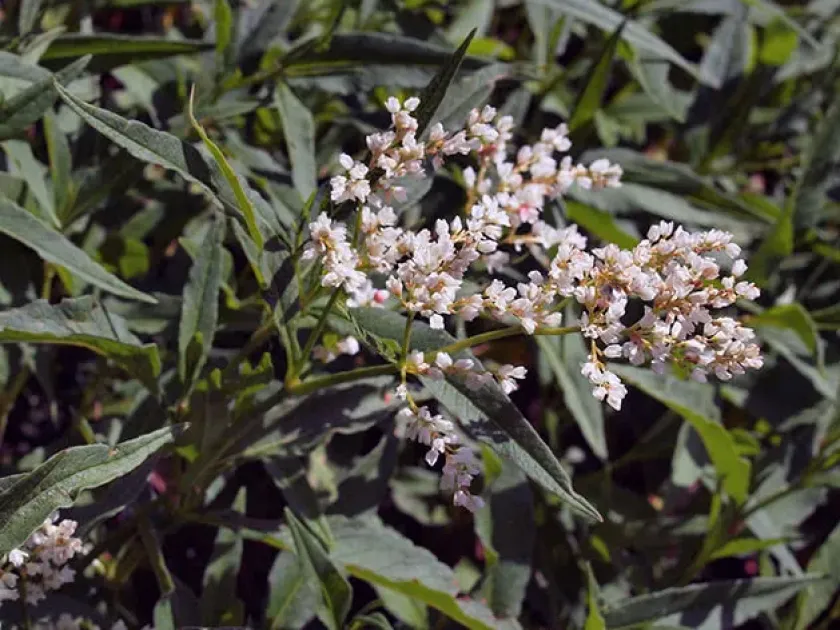
Description
Sowing dates
Polygonum divaricatum is a perennial herbaceous plant from the Polygonaceae family known for its resilience and adaptability to various climates.
Seeds should be sown in early spring, once the soil has warmed up to at least 10-12 degrees Celsius, to ensure a high germination rate.
Using stratified seeds is recommended for production-scale planting to enhance uniform emergence across the field in the first year.
Sowing in rows with a spacing of 45-60 centimeters allows for efficient mechanical maintenance and better airflow during the growing season.
The seeds should be covered with 1-2 centimeters of soil to protect them from environmental fluctuations while allowing sufficient depth for development.
Growing requirements
This plant thrives in well-lit areas, as direct sunlight is essential for biomass accumulation and the production of secondary metabolites.
It adapts to a wide range of soil types, though it performs best in fertile, well-drained soils with a neutral or slightly alkaline pH.
The species is notably drought-resistant once established, though consistent moisture in the first months of growth promotes stronger root development.
Avoid planting in areas with high water tables or poor drainage, as the roots are susceptible to rotting if exposed to prolonged waterlogging.
Regular inter-row cultivation is crucial during the early stages to eliminate weeds and keep the soil loose, preventing compaction around the root system.
Yield
Polygonum divaricatum provides a reliable yield of green biomass when managed with standard agronomic practices for perennial crops.
Harvesting for forage should occur during the full bloom phase, which maximizes the concentration of nutrients and proteins in the stems and leaves.
Beyond forage, the plant is valued for its nectar production, supporting local apiaries and increasing the overall utility of the cultivation site.
The roots are also commercially significant, containing tannins and other compounds valuable for the pharmaceutical industry, providing a secondary income stream.
As a long-lived perennial, a single plantation can be productive for many years, reducing the frequency of re-seeding and minimizing establishment costs.
Main diseases and pests
The plant possesses inherent resistance to many pests and diseases, largely due to the high concentration of natural chemical compounds in its tissues.
Under conditions of high humidity or poor field ventilation, powdery mildew may appear, requiring increased spacing between rows.
Insects such as aphids are occasionally observed but rarely reach levels that justify the use of synthetic pesticides on the crop.
Preventative measures include removing crop debris after harvest and monitoring fields during the rapid growth phase in late spring.
Biological pest control methods are preferred to maintain the quality of the raw material, especially when the plant is harvested for medicinal purposes.
Harvesting
The green mass should be harvested using mechanical forage harvesters during the flowering stage, ensuring efficient collection and processing.
Roots are harvested either in late autumn or early spring, periods when the active growth of the aerial parts is dormant or not yet started.
Post-harvest processing involves cleaning and drying at moderate temperatures to maintain the chemical integrity of the harvested plant material.
Proper storage is essential; the dried material should be kept in cool, dry conditions to prevent the growth of mold or moisture-related degradation.
After the harvest, field maintenance should include light fertilization to support the plants as they prepare for the next growing cycle.