
Erect knotweed
Polygonum erectum L.
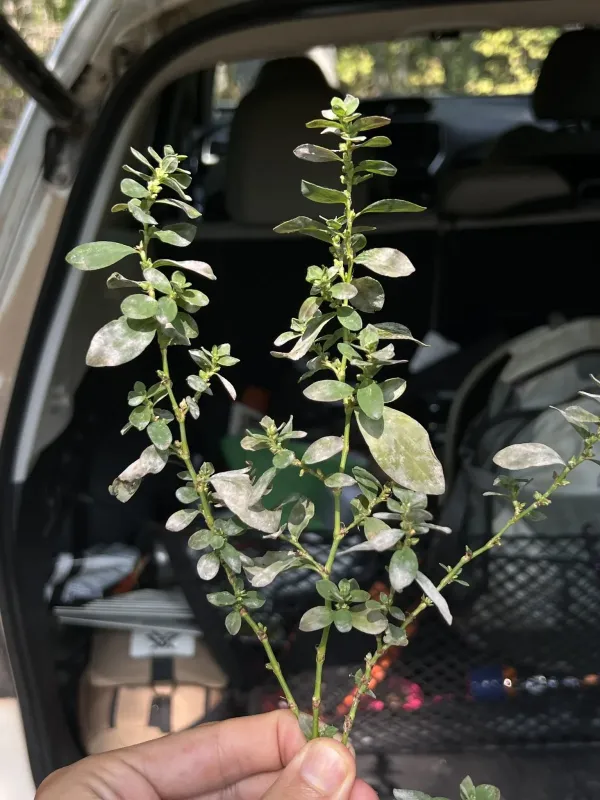
Description
Growing requirements
Erect knotweed (Polygonum erectum L.) belongs to the Polygonaceae family. It is a distinct botanical species often found in temperate regions, growing as a hardy herbaceous plant with an upright growth habit.
The plant thrives in well-drained, fertile soils but demonstrates remarkable versatility in various soil types. It requires full sun exposure to maximize its vegetative growth and the concentration of its bioactive secondary metabolites.
Climatic requirements involve moderate temperature regimes, as the plant is well-adapted to temperate zones. It is known for its resilience to variable rainfall and its ability to establish quickly in open habitats.
Agricultural cultivation practices include standard soil preparation, ensuring a fine tilth for seed germination. Proper spacing is essential to prevent overcrowding, which can negatively impact the yield quality of the medicinal raw material.
The primary economic use of erect knotweed is within the pharmaceutical industry. Its extracts are valued for their astringent properties, tannins, and flavonoids, which contribute to the formulation of natural health supplements.
Main diseases and pests
The crop is susceptible to common fungal pathogens, particularly powdery mildew, which can significantly inhibit photosynthesis when left untreated. Maintaining adequate airflow between plants is crucial for disease mitigation.
Insects such as aphids and leaf-chewing larvae represent major pests. Integrated pest management strategies, focusing on biological controls, are recommended to preserve the medicinal quality of the harvested crop.
Weed management remains a high-priority task, especially during the seedling stage. Mechanical cultivation and manual weeding are often necessary to ensure the crop has access to water and nutrients without competition.
Storage of the harvested biomass poses risks if the moisture content is not reduced properly. Proper drying facilities are required to prevent microbial contamination and the degradation of delicate organic compounds.
Regular field scouting is essential to identify early symptoms of nutritional deficiencies or pest pressure. Early detection allows for targeted interventions that keep the plantation healthy and productive throughout the season.