
Senegal knotweed
Polygonum senegalense Meisn.
Description
Growing requirements
Senegal knotweed (Persicaria senegalensis) is a robust perennial herb belonging to the Polygonaceae family. It is native to tropical Africa, where it thrives in moist environments, such as riverbanks, marshlands, and floodplains.
As a helophyte, this plant requires high soil moisture levels for optimal growth. It is perfectly adapted to aquatic or semi-aquatic habitats, making it an excellent candidate for constructed wetlands and phytoremediation efforts aimed at improving water quality.
The plant demands a warm climate without the risk of frost. It exhibits vigorous growth in regions with tropical or subtropical temperatures, where the growing season extends throughout the entire year, allowing for consistent biomass production.
Soil requirements involve nutrient-rich, moist substrates. The plant responds well to organic matter and does not require extensive fertilization if planted in naturally fertile, water-logged zones where nutrient cycling is efficient.
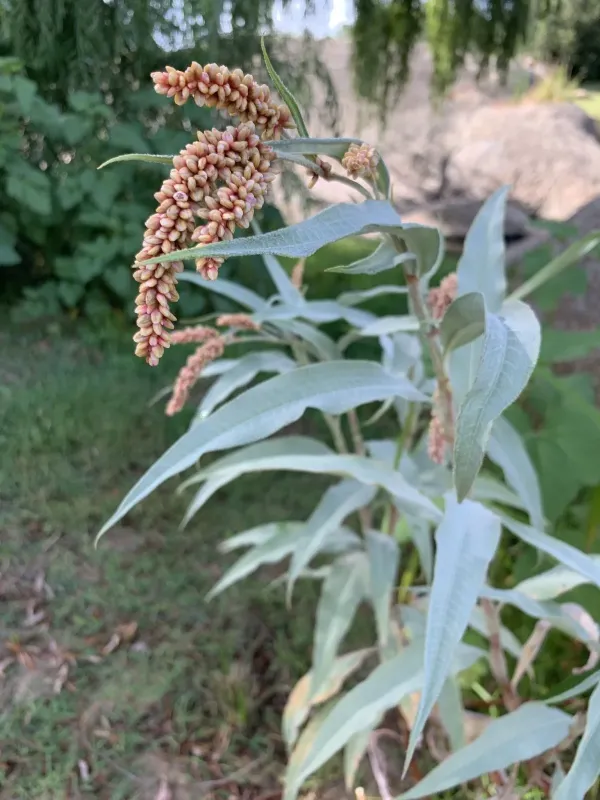
Botanically, it features tall, often reddish-tinged stems and lanceolate leaves. The inflorescence consists of elongated racemes, typical of the genus, which provide a distinctive visual characteristic during the blooming period.
Main diseases and pests
The primary threats to Senegal knotweed include fungal diseases that flourish in high-humidity conditions. Powdery mildew and various leaf spot pathogens can cause significant defoliation if plant density is too high or air circulation is poor.
Pests such as leaf-eating beetles and caterpillars often target the foliage during the growing season. While the plant is quite hardy, severe infestations can stunt growth and reduce the overall yield of the crop in commercial settings.
Root rot is a common issue when drainage is completely obstructed in non-aquatic settings or when the soil remains stagnant for too long without oxygenation. Ensuring a healthy balance of soil moisture and aeration is crucial for crop longevity.
Monitoring for signs of stress is essential. Early detection of pests allows for localized management, preventing the need for broad-spectrum chemical interventions, which is particularly important if the crop is cultivated for pharmaceutical use.
Good agricultural practices, such as maintaining proper plant spacing and removing crop debris, are the most effective ways to prevent the spread of diseases. A proactive approach to plant health keeps the crop productive throughout its cycle.